Sustainability Starts Within: Engaging Employees in Your CSR Journey

In the evolving landscape of corporate responsibility, sustainability is no longer defined solely by external impact. While organisations are increasingly investing in community programs, environmental conservation, and ethical sourcing, a vital truth stands out: meaningful change begins within.
A truly sustainable organisation inspires its people to live its values. Engaging employees in the Corporate Social Responsibility (CSR) journey ensures that social purpose is not just a statement, but a shared practice woven into daily work life.
The Role of Employees in Driving Sustainability
Employees form the bridge between intent and impact. When they connect with an organisation’s social purpose, their sense of ownership deepens translating into authentic participation and innovative ideas.
This connection turns CSR from a corporate mandate into a collective mission one that strengthens both organisational culture and social outcomes.
Creating a Culture of Purpose
For CSR to thrive, it must be rooted in an organisation’s culture. The journey begins with awareness. Internal discussions, leadership messages, and open communication about CSR goals help employees see how their contributions link to a broader societal purpose.
When people understand the “why” behind their organisation’s initiatives, they become active advocates rather than passive participants. Purpose-driven engagement nurtures empathy, collaboration, and pride the hallmarks of a sustainable workplace.
Practical Ways to Engage Employees in CSR
1. Build Awareness and Shared Understanding
Encourage open dialogue around sustainability and social responsibility. Internal newsletters, interactive sessions, and leadership messages can help employees connect with the organisation’s vision.
2. Create Opportunities to Participate
Involve employees in volunteer programs, mentorship projects, or sustainability challenges. When initiatives reflect employees’ skills and interests, engagement becomes more natural and meaningful.
3. Recognise and Celebrate Efforts
Acknowledging contributions big or small reinforces the culture of giving back. Recognition can take many forms, from internal spotlights to organisation-wide appreciation events.
4. Communicate Outcomes Transparently
Sharing the results of CSR efforts keeps employees motivated and informed. Communicating how collective actions lead to real-world impact fosters a sense of shared accomplishment.
5. Embed Sustainability into Everyday Work
Simple daily practices reducing waste, saving energy, or supporting ethical procurement make sustainability tangible. When CSR becomes part of everyday choices, it naturally becomes part of the organisation’s identity.
The Ripple Effect of Internal Engagement
When employees believe in their organisation’s purpose, their enthusiasm and commitment extend outward. They become ambassadors of positive change influencing peers, communities, and even customers.
This internal engagement strengthens brand credibility, fosters innovation, and builds resilience qualities essential for long-term success in today’s evolving business environment.
How Vardaan Helps Organisations Build Purpose-Driven Culture
At Vardaan, we believe that sustainable transformation begins with people. Our consulting approach helps organisations embed social purpose into their culture and engage employees meaningfully in their CSR journey.
From designing inclusive engagement programs to implementing measurable, long-term strategies, Vardaan works alongside corporates to ensure their sustainability vision translates into everyday action.
Sustainability doesn’t begin in boardrooms or balance sheets, it begins in the hearts and minds of employees. When people are inspired to act with purpose, organisations move beyond compliance to create genuine, lasting impact.
Because true sustainability starts within and when it does, its ripple effects reach far beyond.


 Expanding Horizons: Diverse Opportunities for Virtual Volunteering
The beauty of virtual volunteering lies in its versatility. Whether you’re passionate about education, healthcare, environmental conservation, or social justice, there’s a virtual volunteering opportunity waiting for you. From the comfort of your home, you can lend your skills and expertise to a wide range of initiatives.
Unlocking the Benefits of Virtual Volunteering
Virtual volunteering offers a host of benefits for both volunteers and organizations alike:
Expanding Horizons: Diverse Opportunities for Virtual Volunteering
The beauty of virtual volunteering lies in its versatility. Whether you’re passionate about education, healthcare, environmental conservation, or social justice, there’s a virtual volunteering opportunity waiting for you. From the comfort of your home, you can lend your skills and expertise to a wide range of initiatives.
Unlocking the Benefits of Virtual Volunteering
Virtual volunteering offers a host of benefits for both volunteers and organizations alike:

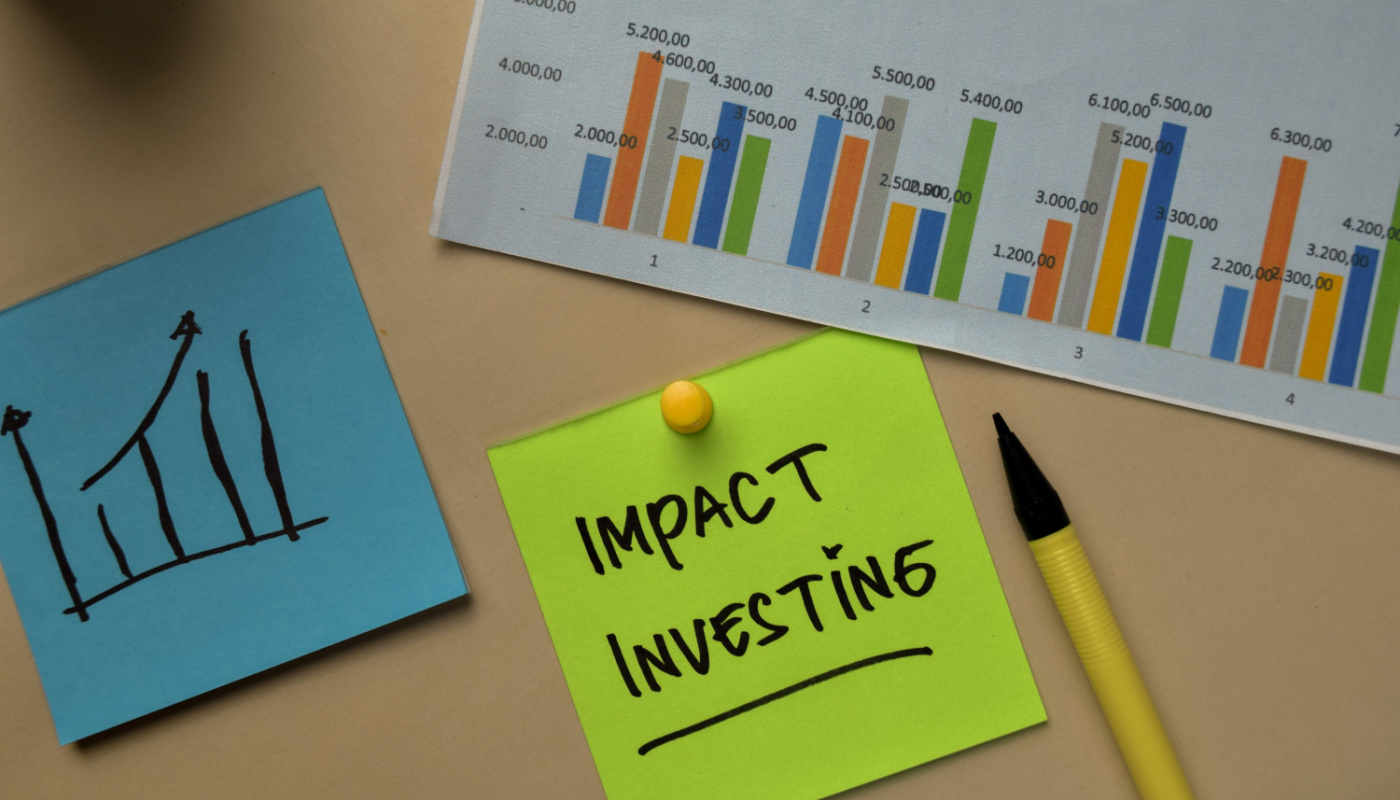 Understanding Impact Investing
Impact investing transcends the traditional dichotomy of solely pursuing financial gain or charitable giving. It involves deploying capital into companies, organizations, or funds with the intention of generating measurable social and environmental impact alongside financial returns. This dual focus on profit and purpose distinguishes impact investing from traditional forms of investment, fostering a holistic approach that prioritizes sustainability and societal well-being.
The Triple Bottom Line: Profits, People, Planet
At the core of impact investing lies the concept of the triple bottom line: a framework that evaluates performance based on three pillars—profit, people, and planet. This approach challenges the notion that financial gain should be the sole metric of success for businesses and investments. It advocates for equal consideration of social and environmental factors, emphasizing the interconnectedness between financial prosperity, social equity, and environmental sustainability.
Balancing Risk and Return
One of the key challenges in impact investing is striking a balance between achieving meaningful social or environmental impact and generating financial returns. Critics often argue that prioritizing impact might compromise financial gains, but successful impact investors refute this claim. They assert that diligent due diligence, innovative strategies, and a long-term perspective can mitigate risks while ensuring competitive returns. The integration of environmental, social, and governance (ESG) factors into investment decisions is a cornerstone of this approach.
Impact Across Various Sectors
Impact investing spans a diverse range of sectors, including renewable energy, affordable housing, healthcare, education, and microfinance, among others. By directing capital towards ventures that address pressing societal challenges, impact investors catalyze positive change and contribute to sustainable development goals.
Understanding Impact Investing
Impact investing transcends the traditional dichotomy of solely pursuing financial gain or charitable giving. It involves deploying capital into companies, organizations, or funds with the intention of generating measurable social and environmental impact alongside financial returns. This dual focus on profit and purpose distinguishes impact investing from traditional forms of investment, fostering a holistic approach that prioritizes sustainability and societal well-being.
The Triple Bottom Line: Profits, People, Planet
At the core of impact investing lies the concept of the triple bottom line: a framework that evaluates performance based on three pillars—profit, people, and planet. This approach challenges the notion that financial gain should be the sole metric of success for businesses and investments. It advocates for equal consideration of social and environmental factors, emphasizing the interconnectedness between financial prosperity, social equity, and environmental sustainability.
Balancing Risk and Return
One of the key challenges in impact investing is striking a balance between achieving meaningful social or environmental impact and generating financial returns. Critics often argue that prioritizing impact might compromise financial gains, but successful impact investors refute this claim. They assert that diligent due diligence, innovative strategies, and a long-term perspective can mitigate risks while ensuring competitive returns. The integration of environmental, social, and governance (ESG) factors into investment decisions is a cornerstone of this approach.
Impact Across Various Sectors
Impact investing spans a diverse range of sectors, including renewable energy, affordable housing, healthcare, education, and microfinance, among others. By directing capital towards ventures that address pressing societal challenges, impact investors catalyze positive change and contribute to sustainable development goals.
 Measuring Impact and Accountability
Measuring the success of impact investments goes beyond financial metrics. Investors employ various frameworks and tools to assess and quantify the social and environmental outcomes of their investments. This commitment to transparency and accountability is fundamental in evaluating the efficacy of impact initiatives and ensuring alignment with stated objectives.
The Future of Impact Investing
The trajectory of impact investing suggests a promising future. With a growing demand for ethical and socially responsible investment opportunities, the landscape continues to evolve. Institutional investors, corporations, and individual investors alike are increasingly recognizing the potential of impact investing to drive positive change while delivering competitive financial returns.
As Vardaan, we see impact investing as a groundbreaking change in the finance landscape. It represents the fusion of profit and purpose, recognizing how financial success and societal welfare are deeply intertwined. Embracing this philosophy allows investors to become instrumental in nurturing a fairer, more sustainable, and thriving world for future generations. We believe that as impact investing gathers momentum, it stands as a guiding light, showcasing that finance can serve as a positive catalyst, generating value that extends far beyond mere monetary gains.
Also Read:
Measuring Impact and Accountability
Measuring the success of impact investments goes beyond financial metrics. Investors employ various frameworks and tools to assess and quantify the social and environmental outcomes of their investments. This commitment to transparency and accountability is fundamental in evaluating the efficacy of impact initiatives and ensuring alignment with stated objectives.
The Future of Impact Investing
The trajectory of impact investing suggests a promising future. With a growing demand for ethical and socially responsible investment opportunities, the landscape continues to evolve. Institutional investors, corporations, and individual investors alike are increasingly recognizing the potential of impact investing to drive positive change while delivering competitive financial returns.
As Vardaan, we see impact investing as a groundbreaking change in the finance landscape. It represents the fusion of profit and purpose, recognizing how financial success and societal welfare are deeply intertwined. Embracing this philosophy allows investors to become instrumental in nurturing a fairer, more sustainable, and thriving world for future generations. We believe that as impact investing gathers momentum, it stands as a guiding light, showcasing that finance can serve as a positive catalyst, generating value that extends far beyond mere monetary gains.
Also Read:

 The cornerstone of any communication strategy is understanding your audience. For CSR communications, this means recognizing the diverse range of stakeholders – from employees and customers to investors and community partners. Each group has different expectations and interests regarding your CSR activities. Tailoring your message to address these varied perspectives is vital. For instance, investors might be interested in the long-term impact of CSR on financial performance, while employees might seek to understand how these initiatives align with the company’s values and their role in them.
Crafting a Compelling Narrative
Your CSR story should be more than a list of activities or a report on funds allocated. It should weave a compelling narrative that connects your CSR initiatives with the company’s mission, values, and business strategy. This narrative should articulate why these initiatives matter, how they are implemented, and the impact they have on society and the environment. Using storytelling techniques can make your CSR communications more engaging and relatable. Stories of real people and communities impacted by your efforts, for example, can bring your CSR initiatives to life and create an emotional connection with your audience.
The cornerstone of any communication strategy is understanding your audience. For CSR communications, this means recognizing the diverse range of stakeholders – from employees and customers to investors and community partners. Each group has different expectations and interests regarding your CSR activities. Tailoring your message to address these varied perspectives is vital. For instance, investors might be interested in the long-term impact of CSR on financial performance, while employees might seek to understand how these initiatives align with the company’s values and their role in them.
Crafting a Compelling Narrative
Your CSR story should be more than a list of activities or a report on funds allocated. It should weave a compelling narrative that connects your CSR initiatives with the company’s mission, values, and business strategy. This narrative should articulate why these initiatives matter, how they are implemented, and the impact they have on society and the environment. Using storytelling techniques can make your CSR communications more engaging and relatable. Stories of real people and communities impacted by your efforts, for example, can bring your CSR initiatives to life and create an emotional connection with your audience.
 Leveraging Multiple Communication Channels
In today’s digital age, companies have a multitude of channels at their disposal for CSR communication. Traditional media such as press releases and annual reports are still relevant, but digital platforms like social media, blogs, and the company website offer more dynamic and interactive ways to share your CSR story. Social media, in particular, allows for real-time updates and engages directly with your audience. However, the choice of channel should align with where your stakeholders are most active and receptive.
Visual and Interactive Elements
Leveraging Multiple Communication Channels
In today’s digital age, companies have a multitude of channels at their disposal for CSR communication. Traditional media such as press releases and annual reports are still relevant, but digital platforms like social media, blogs, and the company website offer more dynamic and interactive ways to share your CSR story. Social media, in particular, allows for real-time updates and engages directly with your audience. However, the choice of channel should align with where your stakeholders are most active and receptive.
Visual and Interactive Elements
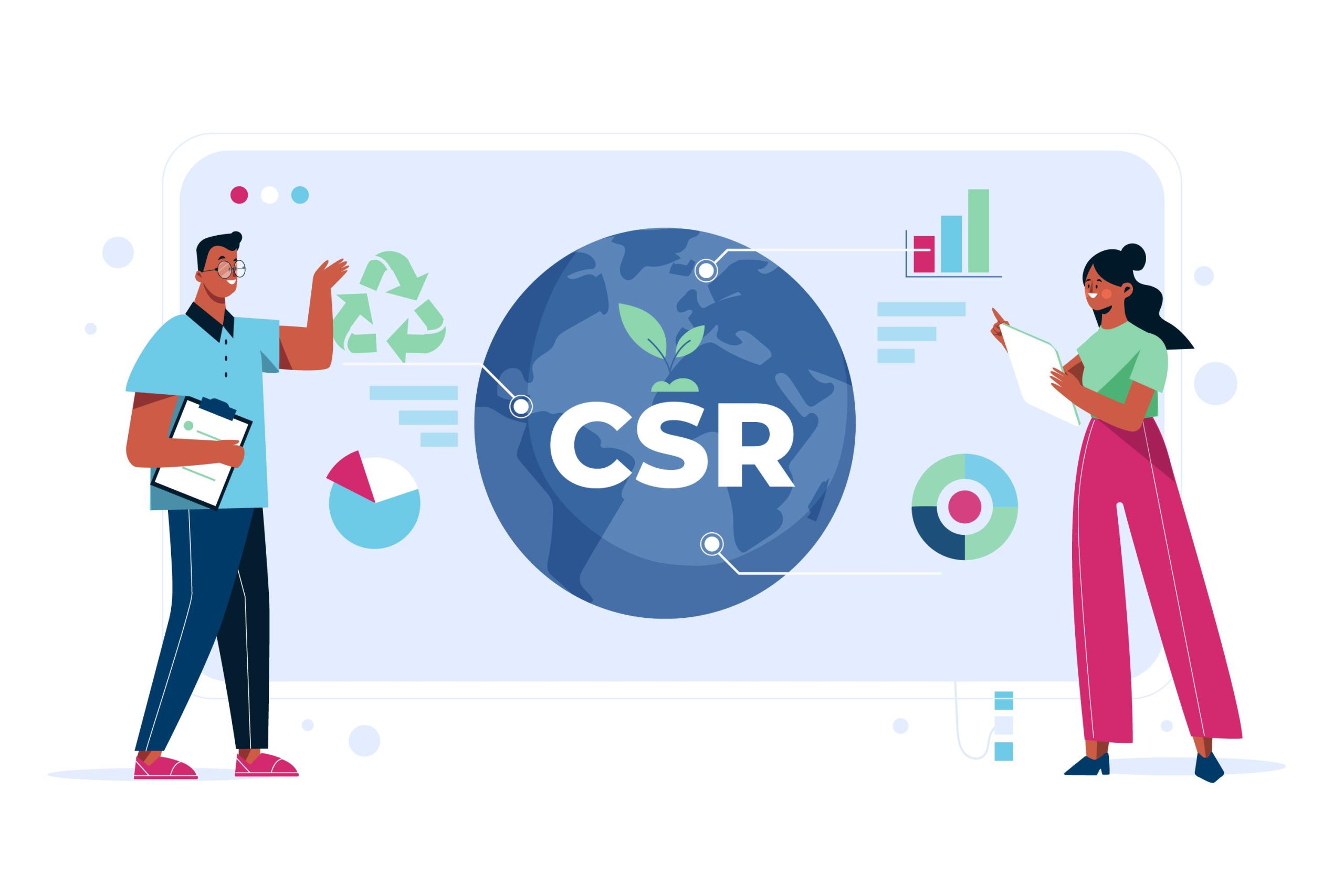 The use of visuals – photos, infographics, videos – can significantly enhance the impact of your CSR communications. Visual storytelling can convey complex information in an easily digestible and shareable format. Interactive elements like CSR microsites, webinars, and virtual tours of CSR project sites can further engage stakeholders by offering an immersive experience.
Transparency and Honesty
Transparency is key in CSR communication. This means not only sharing successes but also being open about challenges and areas for improvement. Stakeholders appreciate honesty, and being candid about the difficulties encountered and lessons learned can enhance credibility and trust. Regular updates, including both achievements and setbacks, also keep stakeholders informed and engaged over the long term.
Aligning Internal and External Communications
Ensuring consistency between internal and external communications is crucial. Employees should be among the first to know about CSR initiatives, as they can be powerful ambassadors of the company’s CSR story. Internal communication tools like newsletters, intranets, and town hall meetings can be used to keep employees informed and engaged. When employees are knowledgeable and passionate about the company’s CSR efforts, they can effectively communicate these values to external stakeholders.
Measuring and Reporting Impact
Effective measurement and transparent reporting of CSR initiatives’ impacts are vital. Drawing on methodologies like those advocated in our blog on
The use of visuals – photos, infographics, videos – can significantly enhance the impact of your CSR communications. Visual storytelling can convey complex information in an easily digestible and shareable format. Interactive elements like CSR microsites, webinars, and virtual tours of CSR project sites can further engage stakeholders by offering an immersive experience.
Transparency and Honesty
Transparency is key in CSR communication. This means not only sharing successes but also being open about challenges and areas for improvement. Stakeholders appreciate honesty, and being candid about the difficulties encountered and lessons learned can enhance credibility and trust. Regular updates, including both achievements and setbacks, also keep stakeholders informed and engaged over the long term.
Aligning Internal and External Communications
Ensuring consistency between internal and external communications is crucial. Employees should be among the first to know about CSR initiatives, as they can be powerful ambassadors of the company’s CSR story. Internal communication tools like newsletters, intranets, and town hall meetings can be used to keep employees informed and engaged. When employees are knowledgeable and passionate about the company’s CSR efforts, they can effectively communicate these values to external stakeholders.
Measuring and Reporting Impact
Effective measurement and transparent reporting of CSR initiatives’ impacts are vital. Drawing on methodologies like those advocated in our blog on 
 What it means for CSR:
Brand Authenticity: It’s not just about donating funds; companies need to ensure that their CSR initiatives align with their brand values and resonate with their target audience.
Employee Engagement: Young employees seek workplaces that prioritize societal impact. Engaging them in CSR activities can boost morale and foster a sense of purpose.
3. The Ascendancy of ESG as a Business Imperative
ESG criteria are becoming a benchmark in India for assessing corporate performance beyond financials, emphasizing sustainable and ethical practices.
What it means for CSR:
Brand Authenticity: It’s not just about donating funds; companies need to ensure that their CSR initiatives align with their brand values and resonate with their target audience.
Employee Engagement: Young employees seek workplaces that prioritize societal impact. Engaging them in CSR activities can boost morale and foster a sense of purpose.
3. The Ascendancy of ESG as a Business Imperative
ESG criteria are becoming a benchmark in India for assessing corporate performance beyond financials, emphasizing sustainable and ethical practices.
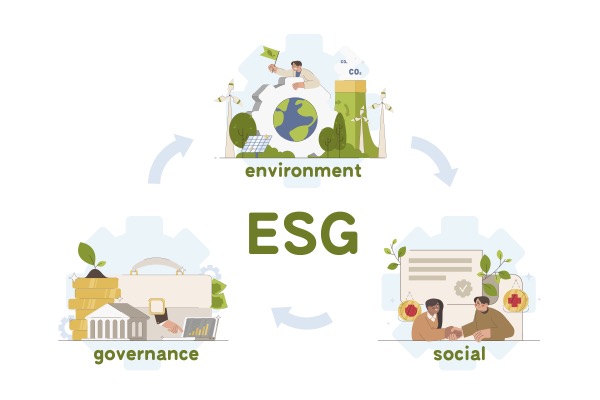 What it means for CSR:
Integrated Strategies: Develop CSR initiatives that reflect a balanced approach to environmental, social, and governance issues.
Accountability and Disclosure: Embrace transparency in CSR efforts, offering clear reporting that underscores a commitment to ESG standards.
4. Sustainability as Corporate Doctrine
With environmental issues like pollution and resource scarcity at the forefront, sustainability is no longer optional but a corporate doctrine.
What it means for CSR:
Sustainable Practices: Embed environmental stewardship into the corporate DNA through initiatives like waste reduction, renewable energy adoption, and water conservation.
Collaborative Impact: Forge partnerships with government bodies, NGOs, and communities to magnify the impact of environmental CSR initiatives.
The Indian corporate sector is at a crossroads, with societal expectations and business practices intersecting like never before. By embracing these four emerging trends, companies can contribute to societal development while remaining competitive in a socially-conscious market.
What it means for CSR:
Integrated Strategies: Develop CSR initiatives that reflect a balanced approach to environmental, social, and governance issues.
Accountability and Disclosure: Embrace transparency in CSR efforts, offering clear reporting that underscores a commitment to ESG standards.
4. Sustainability as Corporate Doctrine
With environmental issues like pollution and resource scarcity at the forefront, sustainability is no longer optional but a corporate doctrine.
What it means for CSR:
Sustainable Practices: Embed environmental stewardship into the corporate DNA through initiatives like waste reduction, renewable energy adoption, and water conservation.
Collaborative Impact: Forge partnerships with government bodies, NGOs, and communities to magnify the impact of environmental CSR initiatives.
The Indian corporate sector is at a crossroads, with societal expectations and business practices intersecting like never before. By embracing these four emerging trends, companies can contribute to societal development while remaining competitive in a socially-conscious market. 
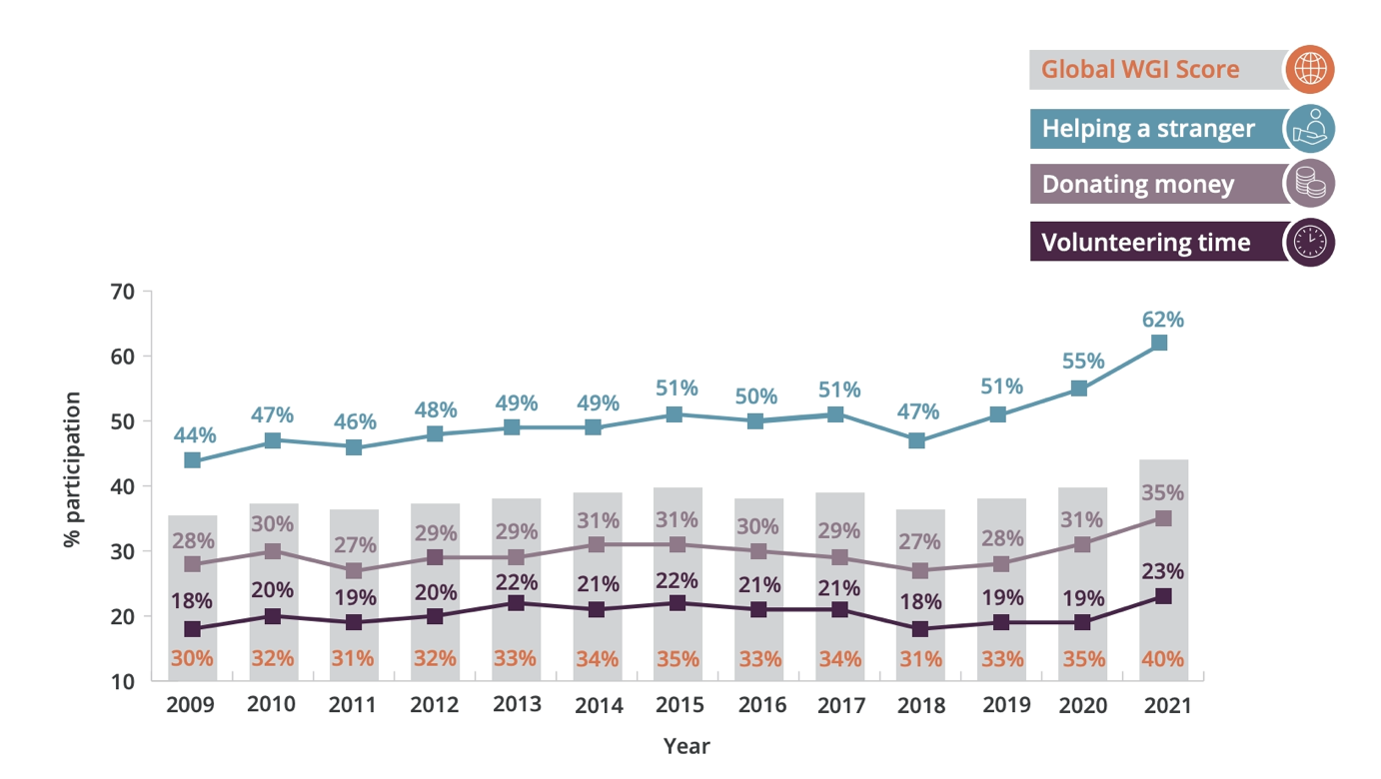 Source: https://www.cafonline.org/docs/default-source/about-us-research/caf_world_giving_index_2022_210922-final.pdf
The Innate Drive to Give Back
From ancient civilizations where community thrived on mutual support, to today’s globalized world, the human instinct to help has remained robust. Now, with the amplification powers of technology and communication, awareness about global issues has skyrocketed. A LinkedIn report noted an increase in volunteering activities listed on user profiles, showcasing this heightened consciousness nudging many towards meaningful actions that make a difference.
The UN’s Sustainable Development Goals (SDGs) and Their Influence
The
Source: https://www.cafonline.org/docs/default-source/about-us-research/caf_world_giving_index_2022_210922-final.pdf
The Innate Drive to Give Back
From ancient civilizations where community thrived on mutual support, to today’s globalized world, the human instinct to help has remained robust. Now, with the amplification powers of technology and communication, awareness about global issues has skyrocketed. A LinkedIn report noted an increase in volunteering activities listed on user profiles, showcasing this heightened consciousness nudging many towards meaningful actions that make a difference.
The UN’s Sustainable Development Goals (SDGs) and Their Influence
The 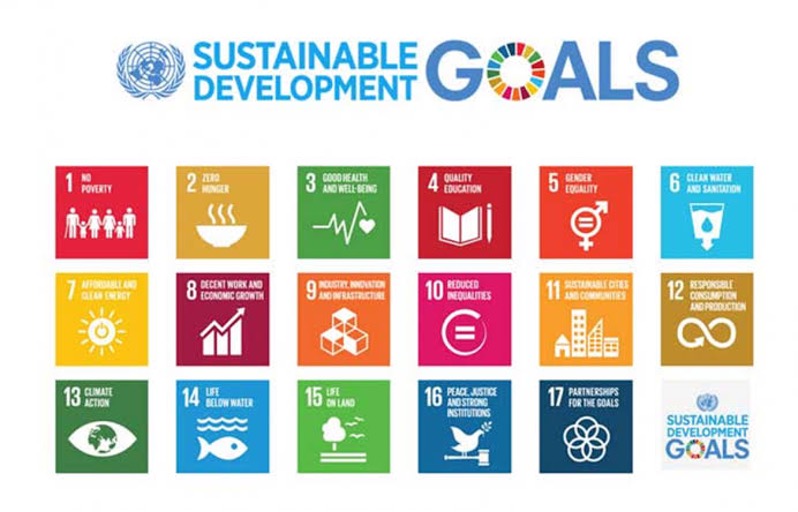 Rise of ESG and Corporate Social Responsibility (CSR)
Environmental, Social, and Governance (ESG) criteria have revolutionized the way businesses operate and invest. A
Rise of ESG and Corporate Social Responsibility (CSR)
Environmental, Social, and Governance (ESG) criteria have revolutionized the way businesses operate and invest. A 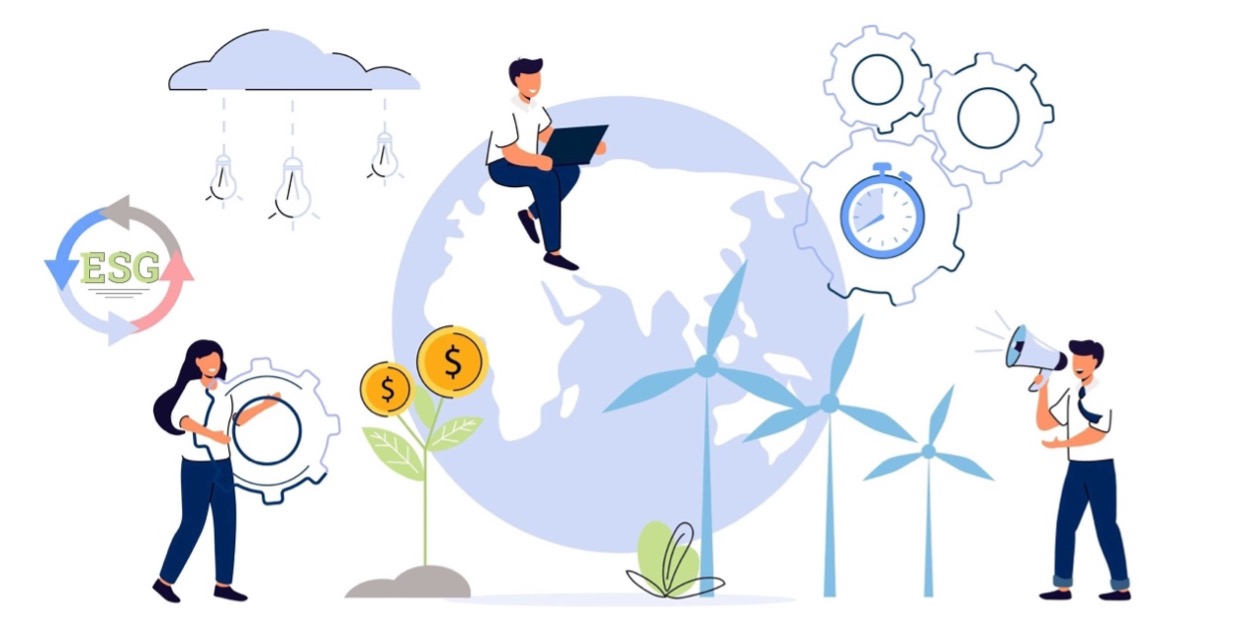 Individual Contributions: Beyond Monetary Aid
While financial donations play a crucial role, the spirit of giving back encapsulates much more. From volunteering to offering pro bono expertise, the avenues to contribute are numerous. Platforms like
Individual Contributions: Beyond Monetary Aid
While financial donations play a crucial role, the spirit of giving back encapsulates much more. From volunteering to offering pro bono expertise, the avenues to contribute are numerous. Platforms like 
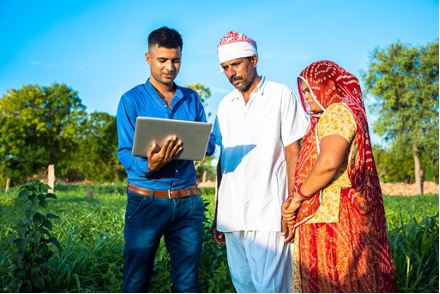 India has made impressive strides in its efforts to eradicate poverty and achieve inclusive growth. According to a UN report, an astounding 415 million people have been lifted out of poverty in India over the past 15 years, reflecting a significant reduction in the percentage of people living below the poverty line. This feat can be attributed to various social welfare schemes and poverty alleviation initiatives implemented by the government.
One of the most noteworthy programs contributing to poverty reduction is the Mahatma Gandhi National Rural Employment Guarantee Act (MGNREGA). This flagship scheme guarantees 100 days of wage employment in a financial year to rural households, providing a crucial safety net for the vulnerable population. The successful implementation of MGNREGA has resulted in enhanced income opportunities and improved standards of living for millions of households across the country.
Additionally, initiatives like the Pradhan Mantri Jan Dhan Yojana (PMJDY) have played a pivotal role in financial inclusion. As of 2023, more than 400 million bank accounts have been opened under PMJDY, ensuring that marginalized sections of society have access to formal banking services and government welfare schemes. This has contributed to reducing income inequalities and enhancing financial empowerment.
Quality Education and Skill Development:
India has made impressive strides in its efforts to eradicate poverty and achieve inclusive growth. According to a UN report, an astounding 415 million people have been lifted out of poverty in India over the past 15 years, reflecting a significant reduction in the percentage of people living below the poverty line. This feat can be attributed to various social welfare schemes and poverty alleviation initiatives implemented by the government.
One of the most noteworthy programs contributing to poverty reduction is the Mahatma Gandhi National Rural Employment Guarantee Act (MGNREGA). This flagship scheme guarantees 100 days of wage employment in a financial year to rural households, providing a crucial safety net for the vulnerable population. The successful implementation of MGNREGA has resulted in enhanced income opportunities and improved standards of living for millions of households across the country.
Additionally, initiatives like the Pradhan Mantri Jan Dhan Yojana (PMJDY) have played a pivotal role in financial inclusion. As of 2023, more than 400 million bank accounts have been opened under PMJDY, ensuring that marginalized sections of society have access to formal banking services and government welfare schemes. This has contributed to reducing income inequalities and enhancing financial empowerment.
Quality Education and Skill Development:
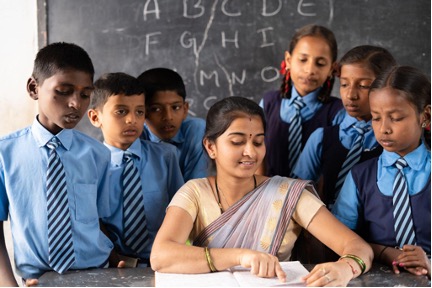 India’s commitment to improving the quality of education and skill development has been evident through various initiatives. The Right to Education Act, which guarantees free and compulsory education for children aged 6 to 14, has increased school enrollment rates significantly, indicating improved access to education for children.
In terms of skill development, the Skill India Mission has focused on providing vocational training and upskilling opportunities to the youth, making them more employable in a competitive job market.
Healthcare and Well-being:
India’s commitment to improving the quality of education and skill development has been evident through various initiatives. The Right to Education Act, which guarantees free and compulsory education for children aged 6 to 14, has increased school enrollment rates significantly, indicating improved access to education for children.
In terms of skill development, the Skill India Mission has focused on providing vocational training and upskilling opportunities to the youth, making them more employable in a competitive job market.
Healthcare and Well-being:
 India’s progress in achieving health-related SDGs has been mixed. While there have been notable achievements in reducing the burden of diseases like tuberculosis, malaria, and HIV/AIDS, challenges remain in specific health indicators.
According to a study published in The Lancet, India is likely to miss the deadline for several health-related SDG indicators, including maternal mortality and malnutrition. Maternal mortality rates continue to be a concern, with approximately 113 maternal deaths per 100,000 live births. Similarly, the prevalence of malnutrition remains a significant challenge, with around 20.8% of children under five years of age being underweight.
Despite these challenges, India’s efforts in improving healthcare access through the Ayushman Bharat scheme have been commendable. The world’s largest healthcare scheme has provided health coverage to millions of vulnerable individuals, ensuring that they receive necessary medical treatment without facing financial burdens.
Gender Equality and Empowerment:
Promoting gender equality and empowering women have been central to India’s development agenda. The country has witnessed an increase in women’s representation in various sectors, including politics and education. As of 2023, the representation of women in the Indian Parliament has reached a record high of 14.39%, a substantial improvement compared to previous years. This increased political participation has resulted from efforts to ensure equal opportunities and create a more inclusive political landscape.
Initiatives like “Beti Bachao Beti Padhao” (Save the Girl Child, Educate the Girl Child) have played a vital role in addressing gender-based discrimination and promoting education for girls. Since its launch in 2015, this initiative has led to an increase in girl child enrolment in schools, with a rise of approximately 5% in girl child enrolment in several states, including Haryana, Punjab, and Himachal Pradesh. This indicates a positive impact on educational opportunities for young girls across the country.
Despite these achievements, challenges persist in the realm of gender equality. Gender-based violence remains a critical concern, with cases of domestic violence and sexual assault still prevalent, highlighting the urgent need for comprehensive measures to ensure women’s safety and protection.
Gender pay gaps persist across various sectors, with women often earning approximately 20% less than their male counterparts for similar roles. This wage disparity affects not only the economic empowerment of women but also perpetuates gender inequality in the workforce.
Furthermore, while women’s representation in politics has improved, there is still a significant gender gap in corporate leadership and decision-making positions. As of 2023. Bridging this gap and promoting gender diversity in leadership positions can foster a more equitable and inclusive corporate environment.
In rural areas, access to healthcare and reproductive services for women remains a challenge, affecting maternal and child health outcomes. Initiatives like the Janani Suraksha Yojana (JSY) have aimed to improve access to maternal healthcare services, leading to a 20% increase in institutional deliveries in targeted regions.
Sustainable Development and Climate Action:
India’s progress in achieving health-related SDGs has been mixed. While there have been notable achievements in reducing the burden of diseases like tuberculosis, malaria, and HIV/AIDS, challenges remain in specific health indicators.
According to a study published in The Lancet, India is likely to miss the deadline for several health-related SDG indicators, including maternal mortality and malnutrition. Maternal mortality rates continue to be a concern, with approximately 113 maternal deaths per 100,000 live births. Similarly, the prevalence of malnutrition remains a significant challenge, with around 20.8% of children under five years of age being underweight.
Despite these challenges, India’s efforts in improving healthcare access through the Ayushman Bharat scheme have been commendable. The world’s largest healthcare scheme has provided health coverage to millions of vulnerable individuals, ensuring that they receive necessary medical treatment without facing financial burdens.
Gender Equality and Empowerment:
Promoting gender equality and empowering women have been central to India’s development agenda. The country has witnessed an increase in women’s representation in various sectors, including politics and education. As of 2023, the representation of women in the Indian Parliament has reached a record high of 14.39%, a substantial improvement compared to previous years. This increased political participation has resulted from efforts to ensure equal opportunities and create a more inclusive political landscape.
Initiatives like “Beti Bachao Beti Padhao” (Save the Girl Child, Educate the Girl Child) have played a vital role in addressing gender-based discrimination and promoting education for girls. Since its launch in 2015, this initiative has led to an increase in girl child enrolment in schools, with a rise of approximately 5% in girl child enrolment in several states, including Haryana, Punjab, and Himachal Pradesh. This indicates a positive impact on educational opportunities for young girls across the country.
Despite these achievements, challenges persist in the realm of gender equality. Gender-based violence remains a critical concern, with cases of domestic violence and sexual assault still prevalent, highlighting the urgent need for comprehensive measures to ensure women’s safety and protection.
Gender pay gaps persist across various sectors, with women often earning approximately 20% less than their male counterparts for similar roles. This wage disparity affects not only the economic empowerment of women but also perpetuates gender inequality in the workforce.
Furthermore, while women’s representation in politics has improved, there is still a significant gender gap in corporate leadership and decision-making positions. As of 2023. Bridging this gap and promoting gender diversity in leadership positions can foster a more equitable and inclusive corporate environment.
In rural areas, access to healthcare and reproductive services for women remains a challenge, affecting maternal and child health outcomes. Initiatives like the Janani Suraksha Yojana (JSY) have aimed to improve access to maternal healthcare services, leading to a 20% increase in institutional deliveries in targeted regions.
Sustainable Development and Climate Action:
 India’s commitment to sustainable development is evident through initiatives like the International Solar Alliance and its ambitious renewable energy targets. As of 2023, India has made significant progress in renewable energy deployment, particularly in solar power, aiming to achieve its target of 450 GW of renewable energy capacity by 2030. This commitment to renewable energy sources is a vital step in reducing greenhouse gas emissions and combating climate change.
However, India continues to face challenges in various areas related to sustainable development. Air pollution remains a significant issue, with several cities consistently experiencing poor air quality, impacting public health and the environment. Waste management is another area that demands urgent attention, as rapid urbanization and population growth have led to increased waste generation, straining existing waste management systems.
India’s SDG progress in 2023 demonstrates impressive achievements in poverty reduction, education, and sustainable development. The country’s commitment to improving the quality of life for its citizens is commendable. However, challenges in healthcare, gender equality, and sustainable practices require sustained efforts, policy reforms, and societal support to create a more inclusive and equitable India for all. By leveraging data-driven policies, collaborative partnerships, and inclusive strategies, India can continue on its path to becoming a model for sustainable development globally.
Data Source Reference Links:
India’s commitment to sustainable development is evident through initiatives like the International Solar Alliance and its ambitious renewable energy targets. As of 2023, India has made significant progress in renewable energy deployment, particularly in solar power, aiming to achieve its target of 450 GW of renewable energy capacity by 2030. This commitment to renewable energy sources is a vital step in reducing greenhouse gas emissions and combating climate change.
However, India continues to face challenges in various areas related to sustainable development. Air pollution remains a significant issue, with several cities consistently experiencing poor air quality, impacting public health and the environment. Waste management is another area that demands urgent attention, as rapid urbanization and population growth have led to increased waste generation, straining existing waste management systems.
India’s SDG progress in 2023 demonstrates impressive achievements in poverty reduction, education, and sustainable development. The country’s commitment to improving the quality of life for its citizens is commendable. However, challenges in healthcare, gender equality, and sustainable practices require sustained efforts, policy reforms, and societal support to create a more inclusive and equitable India for all. By leveraging data-driven policies, collaborative partnerships, and inclusive strategies, India can continue on its path to becoming a model for sustainable development globally.
Data Source Reference Links: