Corporate Social Responsibility holds a lot of meaning in an organization, from planned programs which are in line with the Corporate CSR policy & processes to being an entity that takes employee participation seriously. Since CSR is so diverse and can be of aid for the ones who ‘really’ need the help, organizations must understand the real process involved in infusing a healthy CSR-based vision into the company’s ethos.
Considering the importance of good corporate social responsibility, in today’s climate, many businesses are making CSR their primary business strategy. Not only does it help the downtrodden, but the organization itself. Here’s how this will make it work.
THE STEPS
Firstly, you need to define or redefine what corporate social responsibility means to your company to ensure everyone understands it and is on the same page. Once everyone understands what CSR is, you can start talking about it without bias or misunderstandings.
- Create a plan that is based on your company’s core competencies

Supporting a cause that corresponds with a company’s skills, research, and understanding in a certain area will be helpful for community partners as well as a win for the company in terms of additional customer visibility and revenue streams.
It’s important to devote a significant amount of time to researching and identifying the advantages of CSR. Once you’ve figured out how CSR can benefit you; you can use that information to guide your business case.
- Understand the issues that concern your clients
Consumers are more likely to buy a product when the company supports a social or environmental concern that they care about. They could appreciate socially responsible businesses, thus leading to brand loyalty, donations to charities supported by the business, and purchases of products with a social benefit.

These goals will demonstrate that your approach is having a beneficial influence on your company and that your CSR program is on track. The goals can be more KPI-orientated, like employee levels of engagement, lower customer churn, or online brand sentiment.
- Obtaining project approval
Make a business case for implementing a CSR strategy and highlight all of the potential benefits that a unique CSR project might bring to your company.
- Perform your initial research and plan
This step entails investigating social and environmental activities that you believe will complement your company’s mission and vision, as well as those that respond to employee values.
- Create a CSR program that your employees will also be proud of

Employees that are involved are more likely to stay with a company for a longer period of time, lowering attrition costs. They see their workplace as a place where they can make a good difference in social and environmental challenges. These programs might range from paid volunteer time off to company-wide service days to skill-based virtual volunteering possibilities.
- Communicate your CSR campaign
You only have one chance to launch it as effectively as possible, so now is the time to make the most of it. Your CSR launch needs to be communicated clearly to the right stakeholders, which include employees, shareholders or investors, external stakeholders, partners, local communities, the press, customers, and lastly, your fans and followers.
- Ensure the success of your program
For the final process, the company needs to maintain the CSR campaign or campaigns. It is also important to collaborate with your implementing partner on the project. Your management expertise and domain knowledge will go a long way in ensuring its success while adding to the capability of the implementing partner. Collecting qualitative input in addition to quantitative feedback is also a good decision to maintain the program.
- Prepare yourself to react quickly to current events and social movements
Your CSR work must be adaptable to be sustainable. Modifying budgets, diverting time expenditures, and rapidly selecting trusted nonprofit partners to launch new initiatives.
Sources:

 Shanti Bhavan is a residential educational program aimed at transforming the lives of underprivileged children. It provides high-quality education from pre-school to high school and beyond, fostering confidence through exposure to art, sports, and music. The program empowers students with mentoring, counseling, and career guidance, uplifting them from poverty. Shanti Bhavan has transformed the vulnerable child to a confident responsible Adult.
Vardaan has been associated with Shanti Bhavan in providing CSR partnership connects over the years.
Telrad Foundation
Shanti Bhavan is a residential educational program aimed at transforming the lives of underprivileged children. It provides high-quality education from pre-school to high school and beyond, fostering confidence through exposure to art, sports, and music. The program empowers students with mentoring, counseling, and career guidance, uplifting them from poverty. Shanti Bhavan has transformed the vulnerable child to a confident responsible Adult.
Vardaan has been associated with Shanti Bhavan in providing CSR partnership connects over the years.
Telrad Foundation
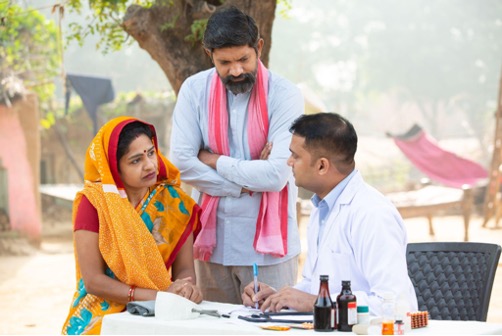 Telrad Foundation aims to provide Health care to the Rural Population by making healthcare affordable to the economically weaker sections of society, Telrad Foundations provides accessibility to the latest digital technology machines, teleconsultation, and specialists’ consultation. The activities enable early diagnosis of the disease.
The foundation has successfully run programs relating to setting up telemedicine facilities in rural hospitals, technology driven community healthcare in rural Karnataka, Tuberculosis information & screening, multi lingual healthcare helplines. The foundation leverages technology in providing affordable healthcare to the marginalized persons in rural & other effected communities across India.
Vardaan has been associated with Telrad Foundation in providing CSR partnership connects.
Lila Poonawala Foundation
The Lila Poonawala Foundation is dedicated to empowering socially and financially disadvantaged girls, guiding them towards economic self-sufficiency and confidence.
The Foundation awards scholarships based on both merit and need. The scholarship process entails inviting applications, which are then evaluated on various criteria. An orientation program introduces the girls to the scholarship benefits, with a special focus on skill development to bolster their employment confidence.
Through its initiatives, the Lila Poonawala Foundation significantly contributes to societal economic growth. By fostering financial independence, it plays a pivotal role in diminishing income disparities and championing gender equality.
Vardaan has collaborated with Lila Poonawala Foundation to provide CSR partnerships including placement & mentoring opportunities.
Anahata United Efforts Foundation
Telrad Foundation aims to provide Health care to the Rural Population by making healthcare affordable to the economically weaker sections of society, Telrad Foundations provides accessibility to the latest digital technology machines, teleconsultation, and specialists’ consultation. The activities enable early diagnosis of the disease.
The foundation has successfully run programs relating to setting up telemedicine facilities in rural hospitals, technology driven community healthcare in rural Karnataka, Tuberculosis information & screening, multi lingual healthcare helplines. The foundation leverages technology in providing affordable healthcare to the marginalized persons in rural & other effected communities across India.
Vardaan has been associated with Telrad Foundation in providing CSR partnership connects.
Lila Poonawala Foundation
The Lila Poonawala Foundation is dedicated to empowering socially and financially disadvantaged girls, guiding them towards economic self-sufficiency and confidence.
The Foundation awards scholarships based on both merit and need. The scholarship process entails inviting applications, which are then evaluated on various criteria. An orientation program introduces the girls to the scholarship benefits, with a special focus on skill development to bolster their employment confidence.
Through its initiatives, the Lila Poonawala Foundation significantly contributes to societal economic growth. By fostering financial independence, it plays a pivotal role in diminishing income disparities and championing gender equality.
Vardaan has collaborated with Lila Poonawala Foundation to provide CSR partnerships including placement & mentoring opportunities.
Anahata United Efforts Foundation
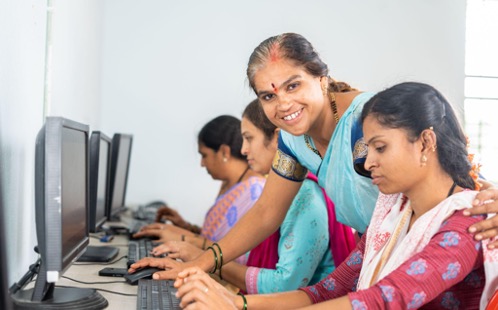 Anahata United Efforts provides career awareness and mentoring programs specifically tailored for government high school students in grades 8 through 10.
Focused on fostering self-awareness, decision-making, communication, and problem-solving skills, United Efforts guides these students toward choosing fulfilling professional paths. The curriculum is delivered through career-oriented textbooks, complemented by ongoing monitoring via the Career Tracker tool. Furthermore, students benefit from structured career awareness sessions, insights into the industry, career fairs, counselling, motivational talks, exposure to role models, summer programs, scholarships, and assistance with admissions.
With a significant presence across 7 states, the NGO engages with over 11,000 students, offering career guidance in 4 distinct languages. Notably, the program has also heightened parental involvement and understanding of their children’s career aspirations, ultimately facilitating informed career choices for the students.
Vardaan had been associated with United Efforts for last couple of years in understanding their programs and collaborating with the corporates for the CSR activity.
Colors of Life
Anahata United Efforts provides career awareness and mentoring programs specifically tailored for government high school students in grades 8 through 10.
Focused on fostering self-awareness, decision-making, communication, and problem-solving skills, United Efforts guides these students toward choosing fulfilling professional paths. The curriculum is delivered through career-oriented textbooks, complemented by ongoing monitoring via the Career Tracker tool. Furthermore, students benefit from structured career awareness sessions, insights into the industry, career fairs, counselling, motivational talks, exposure to role models, summer programs, scholarships, and assistance with admissions.
With a significant presence across 7 states, the NGO engages with over 11,000 students, offering career guidance in 4 distinct languages. Notably, the program has also heightened parental involvement and understanding of their children’s career aspirations, ultimately facilitating informed career choices for the students.
Vardaan had been associated with United Efforts for last couple of years in understanding their programs and collaborating with the corporates for the CSR activity.
Colors of Life
 Colors of Life is dedicated to elevating the educational experiences of underprivileged children in Bangalore’s government schools.
Aiming to match the standards of private institutions, Colors of Life collaborates with educational and vocational institutes to roll out enriched learning programs. Using technology-driven methods, the NGO addresses learning disparities and offers after-school activities, sports for cognitive development, vocational training, and courses in spoken and written English, all facilitated by their expert educators.
With improved infrastructure and a holistic learning environment, Colors of Life ensures continuity in education. Additionally, they offer guidance in college admissions and future job placements.
Vardaan has worked with Colors of life in providing capacity building advisory services including project monitoring & reporting.
These examples highlight the effectiveness of good NGOs in spearheading positive change for the disenfranchised sections of Indian society. Through their dedication to social betterment, these NGOs are leaving an indelible mark on communities, leading to a more inclusive and flourishing society. By supporting these organizations, businesses can create shared value, address critical societal challenges, and foster enduring transformation in underprivileged and rural areas.
Colors of Life is dedicated to elevating the educational experiences of underprivileged children in Bangalore’s government schools.
Aiming to match the standards of private institutions, Colors of Life collaborates with educational and vocational institutes to roll out enriched learning programs. Using technology-driven methods, the NGO addresses learning disparities and offers after-school activities, sports for cognitive development, vocational training, and courses in spoken and written English, all facilitated by their expert educators.
With improved infrastructure and a holistic learning environment, Colors of Life ensures continuity in education. Additionally, they offer guidance in college admissions and future job placements.
Vardaan has worked with Colors of life in providing capacity building advisory services including project monitoring & reporting.
These examples highlight the effectiveness of good NGOs in spearheading positive change for the disenfranchised sections of Indian society. Through their dedication to social betterment, these NGOs are leaving an indelible mark on communities, leading to a more inclusive and flourishing society. By supporting these organizations, businesses can create shared value, address critical societal challenges, and foster enduring transformation in underprivileged and rural areas. 
 Building a Positive Brand Image
One of the most significant benefits of social responsibility for businesses is building a positive brand image. According to a
Building a Positive Brand Image
One of the most significant benefits of social responsibility for businesses is building a positive brand image. According to a  Positive Impact on Society and the Environment
Social responsibility can have a positive impact on society and the environment. Companies that donate to charity or support community programs can help address social issues such as poverty, hunger, and homelessness. Additionally, socially responsible companies take steps to reduce their environmental impact, such as using sustainable materials, reducing waste, and implementing energy-efficient practices. According to a
Positive Impact on Society and the Environment
Social responsibility can have a positive impact on society and the environment. Companies that donate to charity or support community programs can help address social issues such as poverty, hunger, and homelessness. Additionally, socially responsible companies take steps to reduce their environmental impact, such as using sustainable materials, reducing waste, and implementing energy-efficient practices. According to a 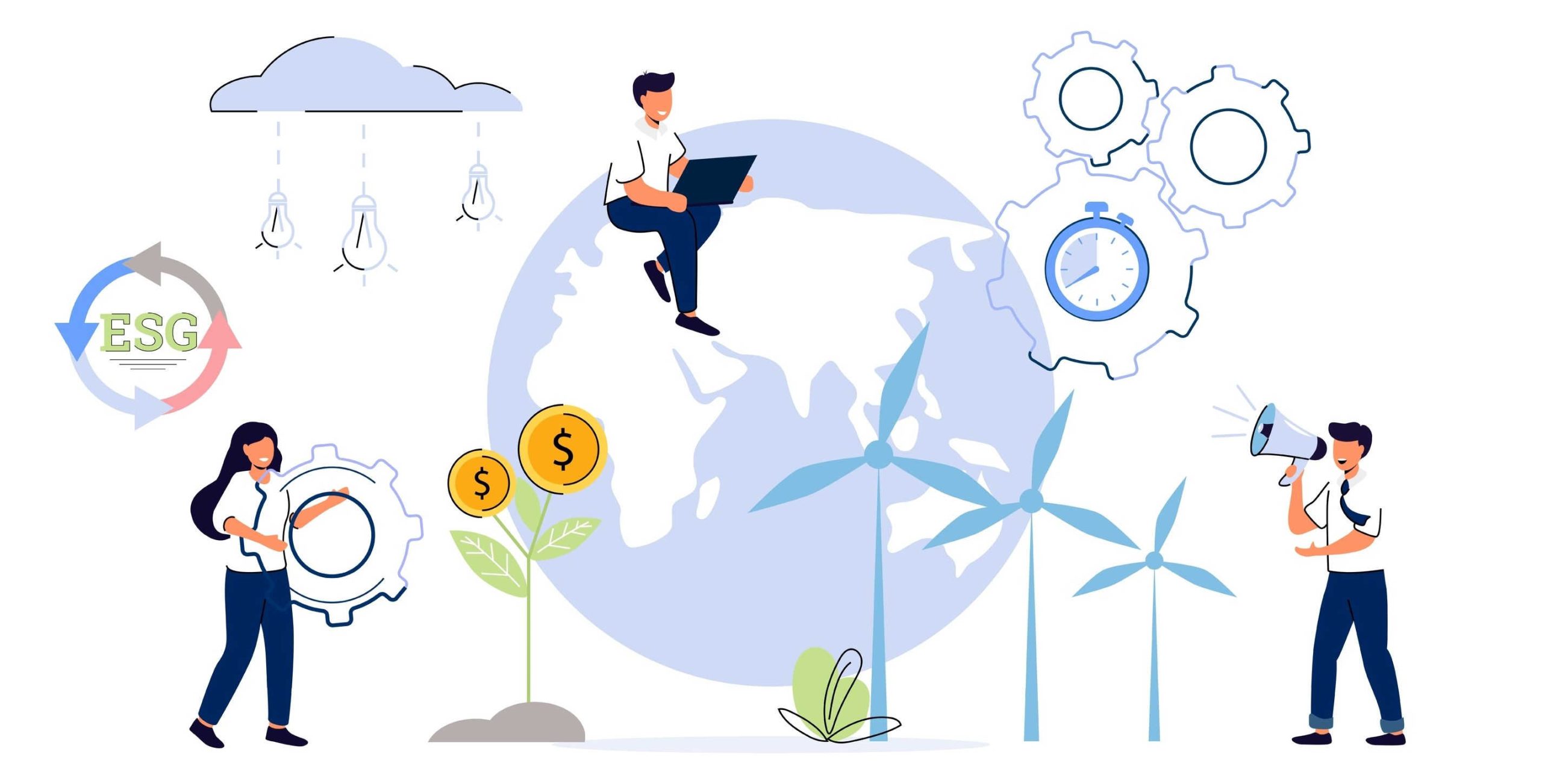 Engaging Employees
Social responsibility can also help businesses engage their employees. In a
Engaging Employees
Social responsibility can also help businesses engage their employees. In a 
 Measuring impact in social projects is essential for understanding their effectiveness and ensuring that resources are being used efficiently. By using internationally recognized methodologies and digital tools, organizations can collect and analyze data more efficiently and make data-driven decisions. With the help of social impact consulting firms, organizations can design and implement impact measurement plans that are tailored to their specific needs and objectives, leading to better project outcomes and positive social change.
 At Vardaan, we can assist in impact measurement, monitoring and evaluation, and sustainability consulting for social projects. We use internationally recognized methodologies to provide tailored impact measurement plans. We also provide training and
 Perhaps most importantly,
 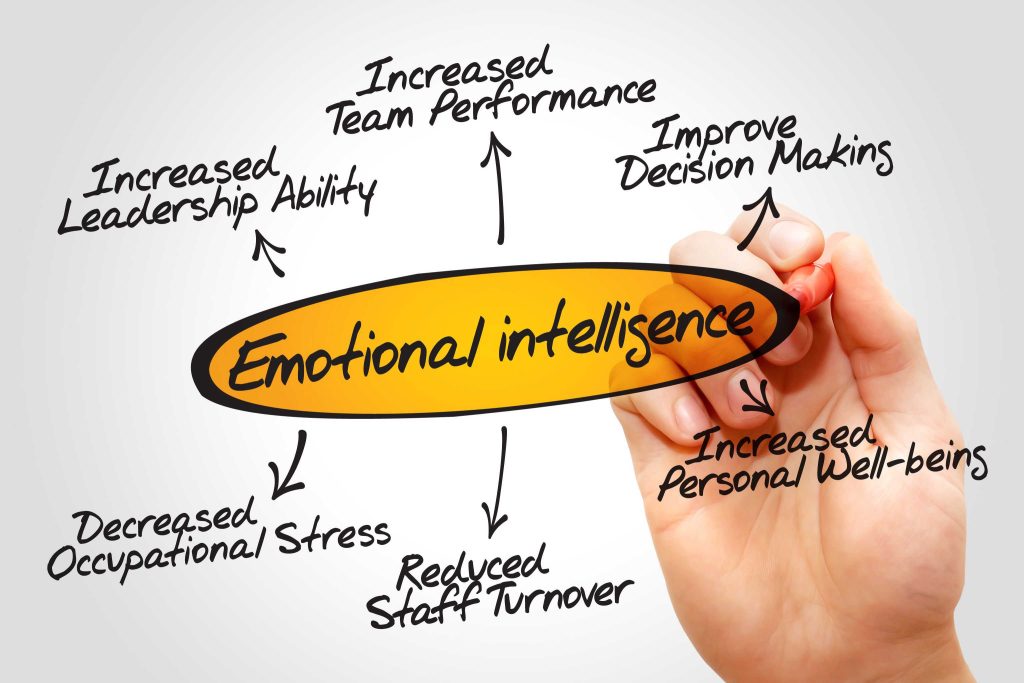 At Vardaan, we believe in the power of volunteering to drive positive social impact and personal growth. We encourage our clients to get involved in volunteering initiatives as part of their
 A company’s CSR Policy should be developed, modified, and implemented by the CSR Rules of the Companies Act 2013. The policy should specify or require a minimum of
 According to the
 SDG stands for Sustainable Development Goals, a set of 17 global goals adopted by United Nations member states in 2015 to end poverty, protect the planet, and ensure prosperity for all. India is one of the signatory countries that have pledged to achieve these goals by 2030.
The CSR rule establishes a broad framework and provides guidance for a more sustainable future, whereas the SDGs establish concrete, well-defined objectives for measuring the outcomes of operations. The National Institution for Transforming India (NITI Aayog), the government’s top policy think tank led by the Prime Minister of India, has been charged with supervising SDG implementation.
Corporate Social Responsibility plays an important part in society providing multifaceted benefits in the form of better training, amenities, education, healthcare, and other services.
According to the
SDG stands for Sustainable Development Goals, a set of 17 global goals adopted by United Nations member states in 2015 to end poverty, protect the planet, and ensure prosperity for all. India is one of the signatory countries that have pledged to achieve these goals by 2030.
The CSR rule establishes a broad framework and provides guidance for a more sustainable future, whereas the SDGs establish concrete, well-defined objectives for measuring the outcomes of operations. The National Institution for Transforming India (NITI Aayog), the government’s top policy think tank led by the Prime Minister of India, has been charged with supervising SDG implementation.
Corporate Social Responsibility plays an important part in society providing multifaceted benefits in the form of better training, amenities, education, healthcare, and other services.
According to the 
 Another important responsibility of a Responsibility Manager is to ensure that the company is in compliance with all relevant laws and regulations related to CSR. This includes monitoring and reporting on the company’s environmental impact and working with government agencies to ensure that the company is meeting all necessary standards. The manager must also be reasonably familiar with the various CSR initiatives and programs that are being undertaken in India by the social sector.
In addition to these responsibilities, a Responsibility Manager must also have excellent communication and leadership skills. They must be able to effectively communicate the company’s CSR initiatives to both internal and external stakeholders, and must be able to inspire and motivate employees to get involved in these initiatives. They must also have strong project management skills, and be able to oversee the implementation of CSR projects from start to finish.
The growth of CSR as a career in India has been significant in recent years. According to a report by the Confederation of Indian Industry (CII), the CSR market in India is expected to grow at a CAGR of 15% between 2020 and 2025. This is driven by increasing awareness of the importance of CSR among both companies and consumers, as well as government initiatives and regulations that encourage companies to engage in CSR activities.
Another important responsibility of a Responsibility Manager is to ensure that the company is in compliance with all relevant laws and regulations related to CSR. This includes monitoring and reporting on the company’s environmental impact and working with government agencies to ensure that the company is meeting all necessary standards. The manager must also be reasonably familiar with the various CSR initiatives and programs that are being undertaken in India by the social sector.
In addition to these responsibilities, a Responsibility Manager must also have excellent communication and leadership skills. They must be able to effectively communicate the company’s CSR initiatives to both internal and external stakeholders, and must be able to inspire and motivate employees to get involved in these initiatives. They must also have strong project management skills, and be able to oversee the implementation of CSR projects from start to finish.
The growth of CSR as a career in India has been significant in recent years. According to a report by the Confederation of Indian Industry (CII), the CSR market in India is expected to grow at a CAGR of 15% between 2020 and 2025. This is driven by increasing awareness of the importance of CSR among both companies and consumers, as well as government initiatives and regulations that encourage companies to engage in CSR activities.
 Additionally,
 Some key statistics on ESG investing in India include:
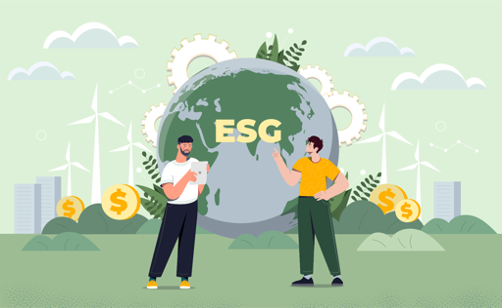 One of the key reasons why ESG investing is gaining popularity is that it is closely linked to achieving the
 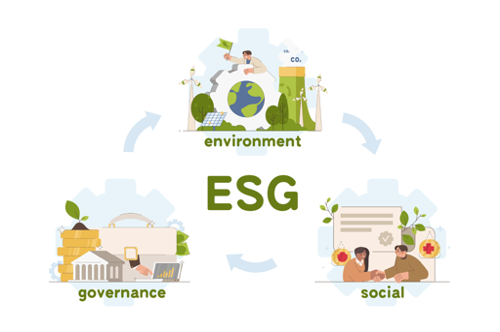 Some key opportunities and initiatives for ESG investing in India include:

 Corporate Social Responsibility (CSR) has transformed from an optional initiative of a business into a highly professionally managed business segment, thanks to the mandate set by the Government of India through the Companies Act of 2013. The mandate has driven corporations and large businesses to relook and rethink their CSR initiatives to align with their own business visions and missions. Specific CSR frameworks and teams have been set up to strategise, plan, and execute the company’s yearly CSR funding effectively and efficiently to help society’s environmental, social, and economical development.
The business-like approach to CSR drives the need for qualified, skilled professionals to handle the project at various levels. There is a demand for a strategic approach to philanthropy, and that demand drives the need for able human capital. Many institutes in India offer specialised CSR training programs and courses to prepare eager and interested novices with essential skills, knowledge and hands-on experience to enter the CSR verticals of many highly coveted companies in India Inc.
Corporate Social Responsibility (CSR) has transformed from an optional initiative of a business into a highly professionally managed business segment, thanks to the mandate set by the Government of India through the Companies Act of 2013. The mandate has driven corporations and large businesses to relook and rethink their CSR initiatives to align with their own business visions and missions. Specific CSR frameworks and teams have been set up to strategise, plan, and execute the company’s yearly CSR funding effectively and efficiently to help society’s environmental, social, and economical development.
The business-like approach to CSR drives the need for qualified, skilled professionals to handle the project at various levels. There is a demand for a strategic approach to philanthropy, and that demand drives the need for able human capital. Many institutes in India offer specialised CSR training programs and courses to prepare eager and interested novices with essential skills, knowledge and hands-on experience to enter the CSR verticals of many highly coveted companies in India Inc.
 CSR education goes beyond learning to manage CSR initiatives but needs to instil the urge for change and be a factor in changing the socio-economic situation. An in-depth understanding of the significance and impact of CSR projects needs to be instilled through quality CSR education. Helping many more hone their knowledge without putting their life on hold is JNICSR.
Courses Offered:
CSR education goes beyond learning to manage CSR initiatives but needs to instil the urge for change and be a factor in changing the socio-economic situation. An in-depth understanding of the significance and impact of CSR projects needs to be instilled through quality CSR education. Helping many more hone their knowledge without putting their life on hold is JNICSR.
Courses Offered:
 Executive Programme in Innovative CSR will adopt an entrepreneurial approach for the companies’ design and implementation of CSR and Sustainable Development initiatives. The programme targets professionals working in corporate, government and non-governmental organisations. Bringing together the interdisciplinary themes in economics, development, social policy, entrepreneurship and business management, the Executive Programme is designed to provide an interdisciplinary perspective on CSR and emerging models in CSR practices across business enterprises.
Course Objective:
The programme will enable the participants to understand better sustainability challenges, drivers and tools and approaches to CSR and sustainable development. Participants will learn the socio-economic barriers and drivers that lead to poverty and hunger, gender inequality, violation of human rights, and environmental issues and see how businesses can progressively deal with such development challenges through innovation and creativity.
Executive Programme in Innovative CSR will adopt an entrepreneurial approach for the companies’ design and implementation of CSR and Sustainable Development initiatives. The programme targets professionals working in corporate, government and non-governmental organisations. Bringing together the interdisciplinary themes in economics, development, social policy, entrepreneurship and business management, the Executive Programme is designed to provide an interdisciplinary perspective on CSR and emerging models in CSR practices across business enterprises.
Course Objective:
The programme will enable the participants to understand better sustainability challenges, drivers and tools and approaches to CSR and sustainable development. Participants will learn the socio-economic barriers and drivers that lead to poverty and hunger, gender inequality, violation of human rights, and environmental issues and see how businesses can progressively deal with such development challenges through innovation and creativity. 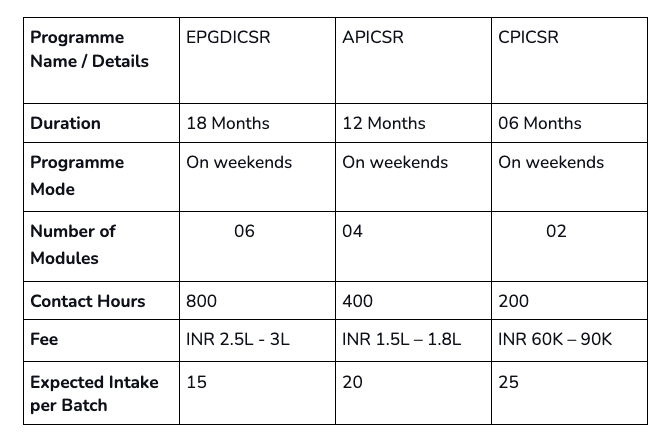
 Intending to provide CSR based unique knowledge, the ICAI (The Institute of Chartered Accountants of India) offer a 4-weeks duration certificate course to Chartered Accountants.
Course Objective:
This online Certificate course on Corporate Social Responsibility intends to equip the participants to understand the rules and regulations pertaining to CSR. The Companies Act, 2013 provides a unique CSR framework not applicable anywhere else globally; hence there are no benchmarks and learnings of a model like this. The objective of legislation needs to be viewed against two key ideas. The Corporations Act as partners in the social development process of the country and strengthen the social responsibility of business.
Intending to provide CSR based unique knowledge, the ICAI (The Institute of Chartered Accountants of India) offer a 4-weeks duration certificate course to Chartered Accountants.
Course Objective:
This online Certificate course on Corporate Social Responsibility intends to equip the participants to understand the rules and regulations pertaining to CSR. The Companies Act, 2013 provides a unique CSR framework not applicable anywhere else globally; hence there are no benchmarks and learnings of a model like this. The objective of legislation needs to be viewed against two key ideas. The Corporations Act as partners in the social development process of the country and strengthen the social responsibility of business.

 The world’s biggest most influential toy brand that has streamlined into amusement parks and other wings, focuses on teaching through what they know best – “PLAY.” Children learn so much more when they are spending time playing and their CSR revolves around developing young minds with the help of Play Agents (employees who are trained by LEGO). While the numbers have risen to over 3000 Play Agents today, all of whom have helped communities around the globe to take a step closer to experiential learning, LEGO looks forward to contributing more to children across the globe.
MICROSOFT
The world’s biggest most influential toy brand that has streamlined into amusement parks and other wings, focuses on teaching through what they know best – “PLAY.” Children learn so much more when they are spending time playing and their CSR revolves around developing young minds with the help of Play Agents (employees who are trained by LEGO). While the numbers have risen to over 3000 Play Agents today, all of whom have helped communities around the globe to take a step closer to experiential learning, LEGO looks forward to contributing more to children across the globe.
MICROSOFT
 When organisations like Microsoft vow to become carbon neutral by 2030 and also to remove the carbon the company has emitted since its founding in 1975, the CSR contribution is colossal. While investing in climate solutions that could help achieve this goal, the company’s bold and public admission of their CSR goals instils more faith in their ethos and creates a transparent workspace for the employees as well. And that adds up to make space for effective CSR policies.
GOOGLE
When organisations like Microsoft vow to become carbon neutral by 2030 and also to remove the carbon the company has emitted since its founding in 1975, the CSR contribution is colossal. While investing in climate solutions that could help achieve this goal, the company’s bold and public admission of their CSR goals instils more faith in their ethos and creates a transparent workspace for the employees as well. And that adds up to make space for effective CSR policies.
GOOGLE
 Google has been taking huge strides in helping children across developing nations to gain access to learn and educate themselves. The multinational tech giant helps organisations that focus on improving education in developing countries and has so far contributed millions to such organisations. By clubbing with organisations like Learning Equality, Google does its bit to close the educational gap.
Note: Here’s what their collaborations brings to the world. To watch, visit their
Google has been taking huge strides in helping children across developing nations to gain access to learn and educate themselves. The multinational tech giant helps organisations that focus on improving education in developing countries and has so far contributed millions to such organisations. By clubbing with organisations like Learning Equality, Google does its bit to close the educational gap.
Note: Here’s what their collaborations brings to the world. To watch, visit their 