The healthcare sector in India is one of the largest and fastest growing industries in India. In 2017, the industry stood at US$ 61.79 billion, and by 2023, it is expected to double by US$ 132.84 billion.
Yet, the Indian healthcare sector is in an ailing condition, as a majority of the investments do not reach the population that is in dire need.
The problem in India is, private hospitals provide excellent care but are beyond the reach of most people. And public hospitals are affordable but are overcrowded and lacks responsiveness.
While the government seems to be doing a lot by allocating a larger budget yearly, it is still far cry from what the country actually needs. In fact, India spends less than 2% of its GDP on healthcare, 1.4% to be exact, making it one of the lowest investors in the sector globally.
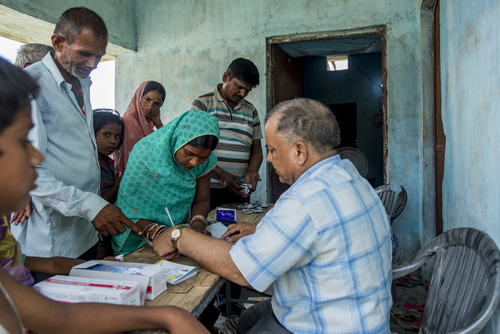
This is where investments from private sectors as Corporate Social Responsibility (CSR) in healthcare can make a big difference to society at large.
What’s the current trend in CSR for healthcare in India?
While healthcare does receive a significant amount of funds from the corporations, much of it is focused on health camps and building hospitals or upkeeping its facilities. All these solutions are merely temporary patches. The country needs solutions that will eradicate some of the fundamental problems.
1. Imbalance in infrastructure and population ration
Given the growing population of the country, the current infrastructure is greatly imbalanced. To the point that the doctor-patient ratio in India is 1:1700. This is dangerously low. Major investments in India primarily focused on urban centres while in rural areas are left with a bare minimum.
Under its ‘Comprehensive Healthcare Initiatives’, the NHPC Limited has been providing medical facilities, qualified doctors and medical attendants, in many rural areas of Assam. They also actively partner with government agencies in bringing awareness regarding many diseases.
2. Rural areas need more doctors
Besides infrastructure, the country is short of doctors, particularly in rural areas. While many companies are working in improving in this area, there still a huge gap that needs to be filled. People in rural areas need access to quality healthcare and the government can provide incentives to doctors to spend time in rural/remote areas and take healthcare where it is desperately needed.
Hindustan Petroleum Corporation Limited runs ‘Project Dhanwantari’ across the country. Through this project, they provide basic medical needs for people in remote rural areas by door-to-door with Mobile Medical Vans (MMVs).
3. Contribution to medical insurance
Quality healthcare for many is unaffordable in India. Rather than offering assistance with one-time or temporary treatments, companies could rather offer health insurance in a brand agnostic way, or tie up with pharma companies and provide cheaper medicines.
4. Focus more on mental illness
Support and awareness for mental illness are almost unheard of in rural areas. While the government offers very little support, many organizations like Infosys, TCS, and IDFC are taking up this cause slowly and even those are focused on urban areas only.
There is a lot that organizations can do to make quality healthcare available to all. There is a lot of money and a lot of intent too. All we need is proper channelling.
5. Reaching the unreachable
India is a country with more than 60% of the population living in rural areas and a low level of health facilities. Many villagers are forced to travel hundreds of kilometres to access basic medical treatments and follow up check-ups. In this case, telemedicine can be a great way to help these communities get the best treatment or diagnosis possible.

Parimal Enterprise, a pharma company, has taken up telemedicine as their corporate social responsibility to help the poor and rural households in remote areas. With their initiative like Dox-in-Box, Piramal’s telemedicine projects help people in remote areas access trained doctors. They have set up over 44 telehealth centres across the country, many in partnership with state governments. And help provide relevant information, screenings and follow-ups to patients.
6. Quality healthcare to remote areas
Rural healthcare is one of the biggest challenges the Health Ministry of India is facing. Though the government implementing a lot of policies and programs in trying to reach out to remote places, the effectiveness of these programs is questionable.
Wockhardt Foundation’s MOBILE1000 initiative is one program that has been spearheading in this area. Their aim is to provide free primary healthcare to poor Indians in rural India. With a fully equipped Mobile Health Van, an MBBS doctor and medicines providing ADCR (Awareness, Diagnosis, Cure, and Referral), they have helped over 171.47 lakh patients in different villages across the country.
7. Make India more healthy
India is known for having one of the largest populations of undernourished children in the world. So much so that even basic human rights are denied to millions, leading to stunted growth. Corporate houses can channelise their CSR fund towards building a healthy nation.
Dabur India’s ‘Nutrition Program’ is aimed at eradicating hunger, poverty and malnutrition through provision of food, nutrition supplement, clothes etc. Through this program, they have partnered with various government agencies and NGOs to supplement the nutrition needs of the poor and needy.

Health is a responsibility for one and all. For a country to be prosperous it requires its citizen to be in a healthy condition and think beyond basic survival. While the government is working on many projects, and a helpful hand from the corporate houses can make a huge difference.

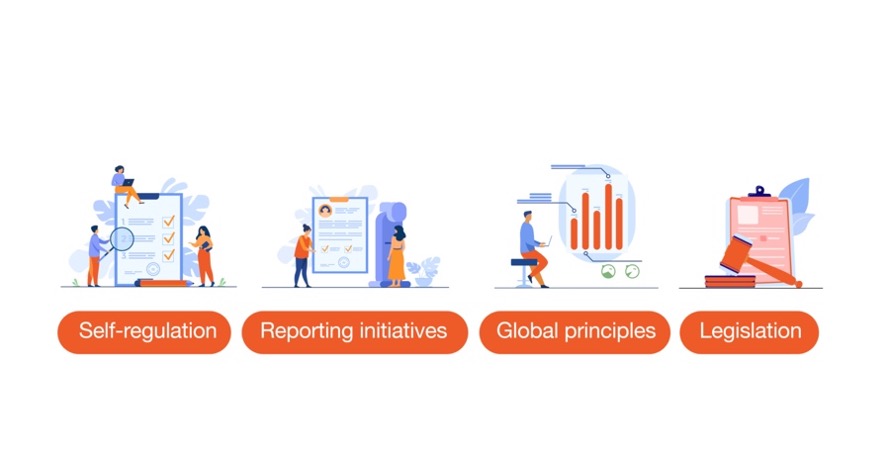 How Can CSR Benefit your Business, On a Personal Scale
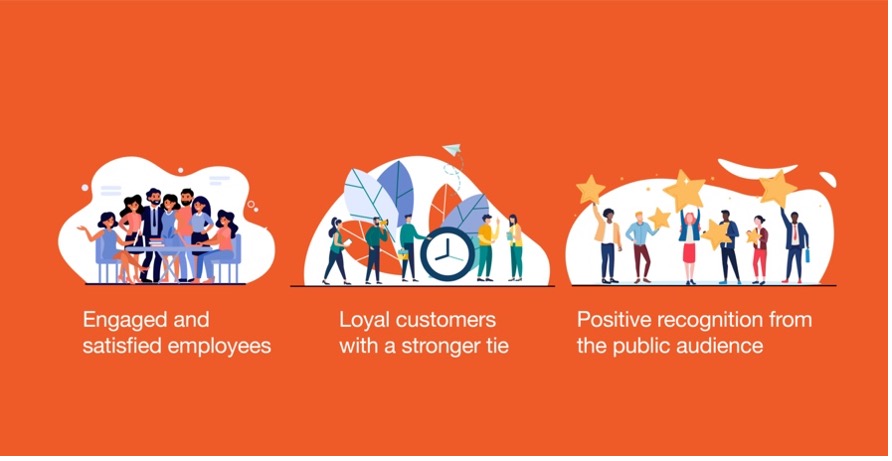 CSR COSTS & HOW TO HANDLE THEM
A note for all the CFOs: There are some easy ways to invest and monitor your CSR funding.
CSR COSTS & HOW TO HANDLE THEM
A note for all the CFOs: There are some easy ways to invest and monitor your CSR funding.
 The consumers of today have realigned the way big and small conglomerates look at their day-to-day activities, by making them rethink their ethical and moral business standards. The real question becomes, what specific cost should you be paying attention to when it comes to your corporate social responsibilities. Let’s start with the most important and basic point,
Opportunity costs:
To put it simply, opportunity Costs can be overlooked, as the name suggests. Any activity that could not have been undertaken due to circumstances like certain elements like capital and labour being bound to the aforementioned activity.
Sunk costs:
All primary investments in inventory can be considered as Sunk Costs. These are an essential part of cost management and are something every CFO monitors to maintain good CSR.
Recurrent costs:
increased wages, investment in social insurance, training, benefits for workers etc. fall under Recurrent Costs. These are unavoidable but if planned well, tremendously beneficial.
And why have we chosen these points as the top three points?
With proper understanding of the company’s expenses in the granular level, determines the growth of an organisation’s CSR planning.
TOP CSR TRENDS TO WATCH IN 2021
The consumers of today have realigned the way big and small conglomerates look at their day-to-day activities, by making them rethink their ethical and moral business standards. The real question becomes, what specific cost should you be paying attention to when it comes to your corporate social responsibilities. Let’s start with the most important and basic point,
Opportunity costs:
To put it simply, opportunity Costs can be overlooked, as the name suggests. Any activity that could not have been undertaken due to circumstances like certain elements like capital and labour being bound to the aforementioned activity.
Sunk costs:
All primary investments in inventory can be considered as Sunk Costs. These are an essential part of cost management and are something every CFO monitors to maintain good CSR.
Recurrent costs:
increased wages, investment in social insurance, training, benefits for workers etc. fall under Recurrent Costs. These are unavoidable but if planned well, tremendously beneficial.
And why have we chosen these points as the top three points?
With proper understanding of the company’s expenses in the granular level, determines the growth of an organisation’s CSR planning.
TOP CSR TRENDS TO WATCH IN 2021

 As India is going through the process of globalisation and modernization, many villages are left behind, while the urban centers get the major chunk of attention. Improving the standards and self-reliance of the villagers at the same time preserving their lifestyle, can add great value to the larger development of the country.
Organisations can focus their CSR strategies by partnering with successful NGOs and community based Organisations (CBOs) and work towards upliftment of rural societies.
Wipro is well-known for its large contribution to society through its Wipro Foundation. Many of their projects are long-term multi-year programmes that are focused on build the capacity of the communities in terms of higher awareness and developing a higher degree of self-reliance to handle their own requirements.
Empowering them with employability:
As India is going through the process of globalisation and modernization, many villages are left behind, while the urban centers get the major chunk of attention. Improving the standards and self-reliance of the villagers at the same time preserving their lifestyle, can add great value to the larger development of the country.
Organisations can focus their CSR strategies by partnering with successful NGOs and community based Organisations (CBOs) and work towards upliftment of rural societies.
Wipro is well-known for its large contribution to society through its Wipro Foundation. Many of their projects are long-term multi-year programmes that are focused on build the capacity of the communities in terms of higher awareness and developing a higher degree of self-reliance to handle their own requirements.
Empowering them with employability:
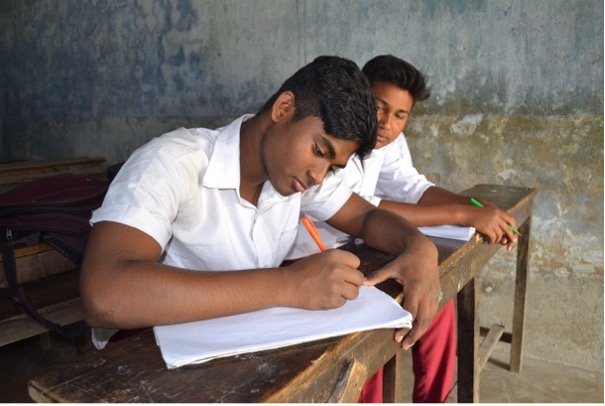 Youths in villages and slums face extreme hardships in terms of opportunities for being useful to society, as they do not have the necessary skills to be employed or be entrepreneurial.
Focusing on setting up long-term projects, where students after school or college can train themselves to be productive members of society, can uplift the morale of the economically weaker communities.
Mahindra & Mahindra in partnership with Naandi Foundation initiated Mahindra Pride School. The idea was to recruit semi-educated youth from the villages and urban slums, train them and get them corporate jobs.
Educate to recycle:
Youths in villages and slums face extreme hardships in terms of opportunities for being useful to society, as they do not have the necessary skills to be employed or be entrepreneurial.
Focusing on setting up long-term projects, where students after school or college can train themselves to be productive members of society, can uplift the morale of the economically weaker communities.
Mahindra & Mahindra in partnership with Naandi Foundation initiated Mahindra Pride School. The idea was to recruit semi-educated youth from the villages and urban slums, train them and get them corporate jobs.
Educate to recycle:
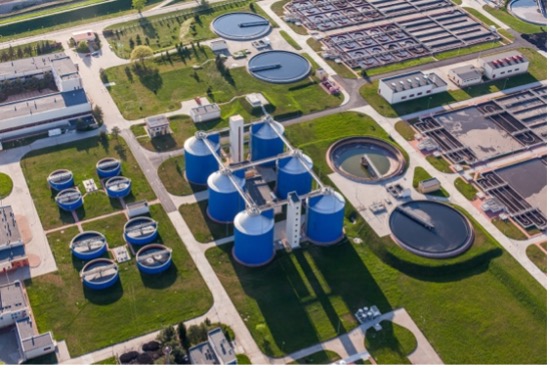 When resources are hard to come by, recycling is the best method to adapt. Especially in rural, marginalized and unprivileged communities, adapting to renewable energy, waste management and resource conservation initiatives can make big difference.
Tata Power runs a programme called the Adhikaar which aims to inform, enable and empower marginalised communities. In collaboration with Rockefeller Foundation, they set up the Tata Power Renewable Microgrid Limited (TPRMG) to enable access to reliable and renewable electricity for 25 million Indians.
In another example, the Hindustan Unilever Foundation (HUF) manages the ‘Water for Public Good’ programme. The objective of this programme is to empower local communities to govern water resources and enhance farm-based livelihoods through the adoption of judicious water management practices. Since 2010, HUF has supported grassroots interventions in 53 districts with 23 NGO partners across over 4,300 villages in India.
Innovative farming methods
When resources are hard to come by, recycling is the best method to adapt. Especially in rural, marginalized and unprivileged communities, adapting to renewable energy, waste management and resource conservation initiatives can make big difference.
Tata Power runs a programme called the Adhikaar which aims to inform, enable and empower marginalised communities. In collaboration with Rockefeller Foundation, they set up the Tata Power Renewable Microgrid Limited (TPRMG) to enable access to reliable and renewable electricity for 25 million Indians.
In another example, the Hindustan Unilever Foundation (HUF) manages the ‘Water for Public Good’ programme. The objective of this programme is to empower local communities to govern water resources and enhance farm-based livelihoods through the adoption of judicious water management practices. Since 2010, HUF has supported grassroots interventions in 53 districts with 23 NGO partners across over 4,300 villages in India.
Innovative farming methods
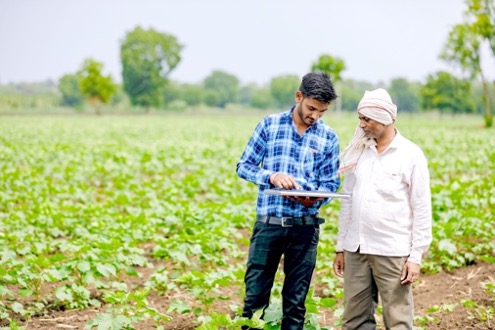 Although India is an agriculture-based country many farmers in villages still use outdated and ineffective methods that bring them very low yield. Educating them with innovative methods and providing them tools will empower them and enrich the whole community.
Over the past years, Coca-Cola India has built significant inroads into the farming community with its focus on good agricultural practices that provide forward linkages to the Indian farmers. Fruit Circular Economy (FCE) is a step towards addressing the issues of low farm productivity, poor technology adoption and fruit wastage by harnessing the higher productivity potential of fruits – both at the farm as well as processing level.
To truly put meaning behind any CSR project, the objective should be set on long-term development of aiming to empower weaker communities. Strategies inclusive of both aspects can deliver a much prosperous and equitable sustainable society that can help India to grow better and sustainable.
Although India is an agriculture-based country many farmers in villages still use outdated and ineffective methods that bring them very low yield. Educating them with innovative methods and providing them tools will empower them and enrich the whole community.
Over the past years, Coca-Cola India has built significant inroads into the farming community with its focus on good agricultural practices that provide forward linkages to the Indian farmers. Fruit Circular Economy (FCE) is a step towards addressing the issues of low farm productivity, poor technology adoption and fruit wastage by harnessing the higher productivity potential of fruits – both at the farm as well as processing level.
To truly put meaning behind any CSR project, the objective should be set on long-term development of aiming to empower weaker communities. Strategies inclusive of both aspects can deliver a much prosperous and equitable sustainable society that can help India to grow better and sustainable. 
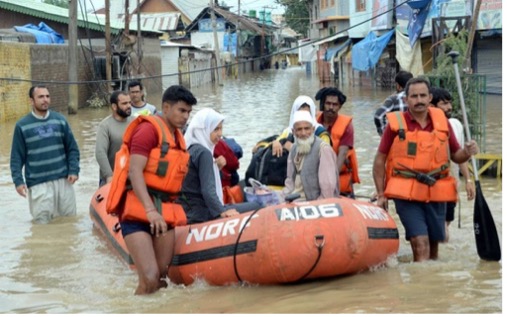 In an increasingly crowded world, some kind of disaster is always around the corner. Earthquakes, cyclones, floods, forest fires, pandemic, you name it, we’ve seen it all in barely last 5 years. Any kind of disaster always strikes the poor in the worst possible way, destroying their meagre livelihood. That’s why having a committed project that aims at restoring some dignity back into their lives is important.
Aspire Systems India has partnered with World Vision India to support one of their landmark project, ‘Restoration of livelihood’ and focus on COVID-19 affected households in few small towns in Tamil Nadu.
The programme aims to help 100 beneficiaries with livelihood options based on their needs, such as the supply of agriculture inputs, livestock, setting up of small shops, etc. The restoration efforts will help the beneficiaries in enhancing cash flow in the community to meet the daily consumption expenses and improve food and nutrition security among affected and reverse migration households
Empowering women with equal opportunities
In an increasingly crowded world, some kind of disaster is always around the corner. Earthquakes, cyclones, floods, forest fires, pandemic, you name it, we’ve seen it all in barely last 5 years. Any kind of disaster always strikes the poor in the worst possible way, destroying their meagre livelihood. That’s why having a committed project that aims at restoring some dignity back into their lives is important.
Aspire Systems India has partnered with World Vision India to support one of their landmark project, ‘Restoration of livelihood’ and focus on COVID-19 affected households in few small towns in Tamil Nadu.
The programme aims to help 100 beneficiaries with livelihood options based on their needs, such as the supply of agriculture inputs, livestock, setting up of small shops, etc. The restoration efforts will help the beneficiaries in enhancing cash flow in the community to meet the daily consumption expenses and improve food and nutrition security among affected and reverse migration households
Empowering women with equal opportunities
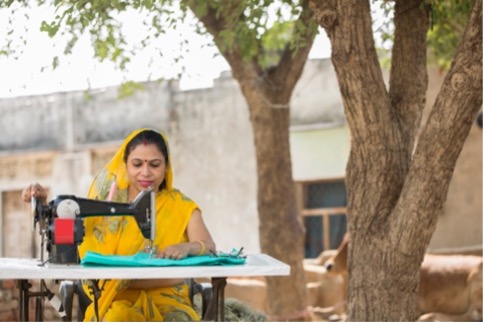 For long women have been suppressed and held back citing various patriarchal reasons. It is time we create an inclusive society and change our attitude towards women as a weaker sex and provide them equal opportunities. Empowering women will transform individual lives, families ,societies and nations in a broader context.
Hindustan Unilever’s ‘Project Shakti’ is an initiative that aims to financially empower and provide livelihood opportunities to women in rural India. The Shakti Entrepreneurs are given training for familiarisation with many of the company’s products and basic tenets of distribution management. This programme has helped Shakti Entrepreneurs gain selling skills, become self-confident, improve their self-esteem and learn communication skills.
Creating self-reliance through skill enhancement
For long women have been suppressed and held back citing various patriarchal reasons. It is time we create an inclusive society and change our attitude towards women as a weaker sex and provide them equal opportunities. Empowering women will transform individual lives, families ,societies and nations in a broader context.
Hindustan Unilever’s ‘Project Shakti’ is an initiative that aims to financially empower and provide livelihood opportunities to women in rural India. The Shakti Entrepreneurs are given training for familiarisation with many of the company’s products and basic tenets of distribution management. This programme has helped Shakti Entrepreneurs gain selling skills, become self-confident, improve their self-esteem and learn communication skills.
Creating self-reliance through skill enhancement
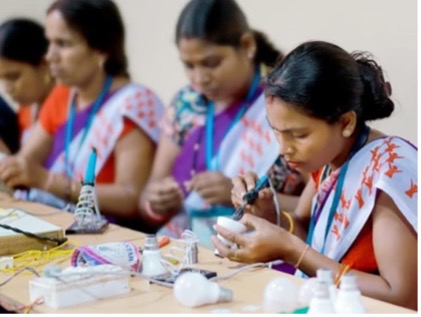 Being a country with more than one billion population and having a significant under-skilled youth is just a recipe for disaster. Setting up long-term skill enhancement programmes will not only empower the poor to a better livelihood but also uplift the society greatly.
National Aluminium Company Limited, (NALCO) has set up various skill enhancement centres in different parts of the country it operates, to improve the employability of women and youth. Some of the training are beautician course, food and nutrition, tailoring, motor winding, pump maintenance, farming etc.
Welfare of the farmer is welfare of the nation
Being a country with more than one billion population and having a significant under-skilled youth is just a recipe for disaster. Setting up long-term skill enhancement programmes will not only empower the poor to a better livelihood but also uplift the society greatly.
National Aluminium Company Limited, (NALCO) has set up various skill enhancement centres in different parts of the country it operates, to improve the employability of women and youth. Some of the training are beautician course, food and nutrition, tailoring, motor winding, pump maintenance, farming etc.
Welfare of the farmer is welfare of the nation
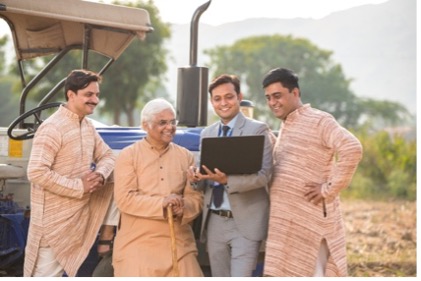 If agriculture goes wrong in a nation, everything will eventually fall. That’s why farmers are one of the most valuable members of the society.
In India, agriculture is the source of employment for more than 50% of the population, accounting for nearly 16% of its GDP. However, in the last few decades, India’s focus on investment has shifted from farming to IT and other sectors. Thus, the Indian farmers have been lagging behind in many areas are not educated and thus are not adapted to technological development.
Mahindra & Mahindra has launched the Krishi Mitra project, in partnership with several NGOs, where it helps small and marginal farmers by educating them in updated techniques in farming. The project also provides various services leading to improvement in agricultural productivity, for the advantage of the farmers.
Besides initiating several individual projects aimed at improving livelihoods, many organisations from various sectors have come together to create a first-ever multiagency partnership called India Livelihoods Collective (ILC). Its sole objective is to scale-up livelihoods interventions in farm, non-farm and urban jobs ecosystems. It will also facilitate innovative solutions in rural livelihood opportunities in partnership with technology incubators and social businesses.
Image Source & References:
https://frontline.thehindu.com/
https://timesofindia.indiatimes.com/
The start of a new poverty narrative (brookings.edu)
Annual Report (brookings.edu)
Sustainability in CSR Projects for Village Development – India CSR Network
Home | India Livelihoods Collective (ilc.org.in)
Infographic: Education, livelihood draw most CSR spend | India News – Times of India (indiatimes.com)
Opportunities for women | Sustainable Living | Unilever global company website
National Farmers Day 2020: Top CSR Projects for Farmers’ Welfare in India – The CSR JournalIndia Development Review (idronline.org)
If agriculture goes wrong in a nation, everything will eventually fall. That’s why farmers are one of the most valuable members of the society.
In India, agriculture is the source of employment for more than 50% of the population, accounting for nearly 16% of its GDP. However, in the last few decades, India’s focus on investment has shifted from farming to IT and other sectors. Thus, the Indian farmers have been lagging behind in many areas are not educated and thus are not adapted to technological development.
Mahindra & Mahindra has launched the Krishi Mitra project, in partnership with several NGOs, where it helps small and marginal farmers by educating them in updated techniques in farming. The project also provides various services leading to improvement in agricultural productivity, for the advantage of the farmers.
Besides initiating several individual projects aimed at improving livelihoods, many organisations from various sectors have come together to create a first-ever multiagency partnership called India Livelihoods Collective (ILC). Its sole objective is to scale-up livelihoods interventions in farm, non-farm and urban jobs ecosystems. It will also facilitate innovative solutions in rural livelihood opportunities in partnership with technology incubators and social businesses.
Image Source & References:
https://frontline.thehindu.com/
https://timesofindia.indiatimes.com/
The start of a new poverty narrative (brookings.edu)
Annual Report (brookings.edu)
Sustainability in CSR Projects for Village Development – India CSR Network
Home | India Livelihoods Collective (ilc.org.in)
Infographic: Education, livelihood draw most CSR spend | India News – Times of India (indiatimes.com)
Opportunities for women | Sustainable Living | Unilever global company website
National Farmers Day 2020: Top CSR Projects for Farmers’ Welfare in India – The CSR JournalIndia Development Review (idronline.org)



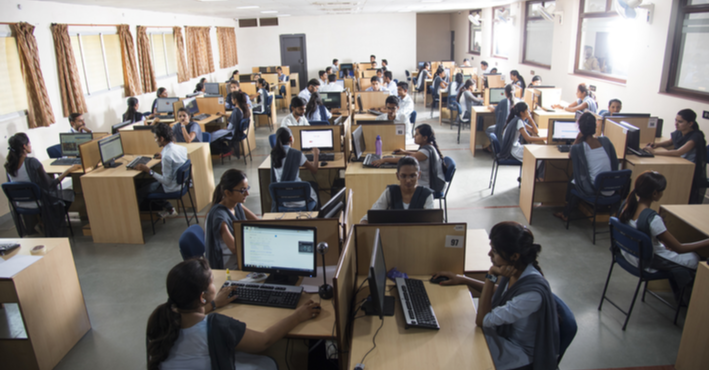 But, despite decades of reforms and government initiatives, a big chunk of the population remains uneducated. For reasons like lack of quality education, proper facilities, teacher quality, irrelevant curriculum, and pedagogy.
This is where India Inc can step in and help close the gap.
In fact, after implementation of the Section 135 of the Companies Act 2013, many organizations have indeed played their part. Corporate leaders have come to realize that the resources spent on education are bound to impact social equity. As a result, education has taken the lion’s share of their funding in their corporate social responsibility (CSR).
According to an analysis conducted by CSRBOX, over 88% companies in India invested CSR fund in one or more education projects. In fact, for the year 2019, 613 companies contributed to CSR through 8501 projects and a consolidated spending of INR 12143.77 Cr.
But, despite decades of reforms and government initiatives, a big chunk of the population remains uneducated. For reasons like lack of quality education, proper facilities, teacher quality, irrelevant curriculum, and pedagogy.
This is where India Inc can step in and help close the gap.
In fact, after implementation of the Section 135 of the Companies Act 2013, many organizations have indeed played their part. Corporate leaders have come to realize that the resources spent on education are bound to impact social equity. As a result, education has taken the lion’s share of their funding in their corporate social responsibility (CSR).
According to an analysis conducted by CSRBOX, over 88% companies in India invested CSR fund in one or more education projects. In fact, for the year 2019, 613 companies contributed to CSR through 8501 projects and a consolidated spending of INR 12143.77 Cr.
 Although official reports for the year 2020 is yet to come out, the CSR spending will surely top 2019. For instance, Infosys alone has spent nearly Rs 360 Crore as part of its Corporate Social Responsibility programs in the years 2019-20.
While the numbers may seem big, there are still many persisting challenges and issues the country is facing.
Persisting challenges in education
Given the size of India’s population, there are simply too many hurdles for anyone to solve. That’s why the corporates need to understand India’s education landscape, so they can target their spending accordingly. While many organizations are focusing on larger issues like basic infrastructure, free education and health & nutrition, there are still other issues that need to be addressed.
1. Improving quality and adequacy of teachers
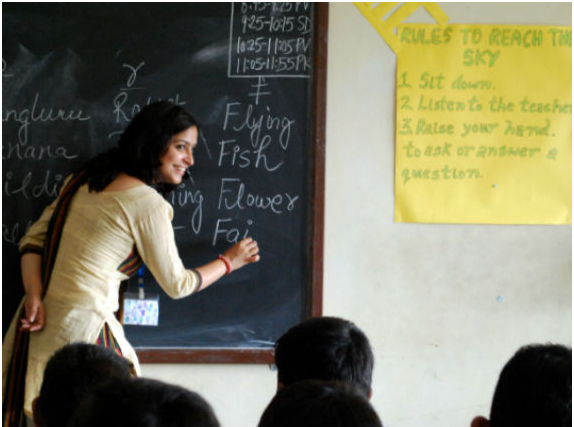
Oftentimes, even if there is sufficient infrastructure, there is a shortage of qualified teachers who are ready to take up the job. Due to this, quality education still eludes most school-children. Few organizations have taken up this responsibility, yet this is one space where more can focus their CSR activity.
Companies like Tata Teleservices has done its best in providing education to students from the underprivileged community in government schools. Ther teacher training programs have enhanced the quality of education in many government schools across the country.
2. Assessment of student achievement
Many CSR projects offer initial stage support, however, what is required is a long-term assessment of students’ achievements. A system of understanding their needs and offering them support to improve themselves is relatively low.
Tech Mahindra is one company that has an extensive portfolio of CSR in just education. Their initiative like ARISE (All Round Improvement in School Education) are long-term school improvement programmes, in partnership with local governments and partner organisations. They have also adopted more than sixty schools across India and is working with 18 partners to turn them around completely into model schools of excellence.
Although official reports for the year 2020 is yet to come out, the CSR spending will surely top 2019. For instance, Infosys alone has spent nearly Rs 360 Crore as part of its Corporate Social Responsibility programs in the years 2019-20.
While the numbers may seem big, there are still many persisting challenges and issues the country is facing.
Persisting challenges in education
Given the size of India’s population, there are simply too many hurdles for anyone to solve. That’s why the corporates need to understand India’s education landscape, so they can target their spending accordingly. While many organizations are focusing on larger issues like basic infrastructure, free education and health & nutrition, there are still other issues that need to be addressed.
1. Improving quality and adequacy of teachers
Oftentimes, even if there is sufficient infrastructure, there is a shortage of qualified teachers who are ready to take up the job. Due to this, quality education still eludes most school-children. Few organizations have taken up this responsibility, yet this is one space where more can focus their CSR activity.
Companies like Tata Teleservices has done its best in providing education to students from the underprivileged community in government schools. Ther teacher training programs have enhanced the quality of education in many government schools across the country.
2. Assessment of student achievement
Many CSR projects offer initial stage support, however, what is required is a long-term assessment of students’ achievements. A system of understanding their needs and offering them support to improve themselves is relatively low.
Tech Mahindra is one company that has an extensive portfolio of CSR in just education. Their initiative like ARISE (All Round Improvement in School Education) are long-term school improvement programmes, in partnership with local governments and partner organisations. They have also adopted more than sixty schools across India and is working with 18 partners to turn them around completely into model schools of excellence.
 3. Lack of maintenance
The CSR funds are usually spent on improving the basic infrastructure and amenities. However, there is a lack of continued maintenance, and due to that any development towards infrastructure only seems like a cosmetic change at best.
4. Lack of consensus on implementation
Lack of consensus is one of the main issues that local agencies face regarding CSR projects. This often results in duplication of activities by one or more corporates, which takes on a competitive spirit rather than a collaborative approach.
These are just a few areas of interventions that require immediate attention that corporates can focus their CSR on education. However, India Inc. has not forgotten that access to quality education is fundamental to the growth of India, and they are opening many windows of possibilities, where there were none. But with the right guidance and partnerships with government and other local agencies, they being to close the gap efficiently.
3. Lack of maintenance
The CSR funds are usually spent on improving the basic infrastructure and amenities. However, there is a lack of continued maintenance, and due to that any development towards infrastructure only seems like a cosmetic change at best.
4. Lack of consensus on implementation
Lack of consensus is one of the main issues that local agencies face regarding CSR projects. This often results in duplication of activities by one or more corporates, which takes on a competitive spirit rather than a collaborative approach.
These are just a few areas of interventions that require immediate attention that corporates can focus their CSR on education. However, India Inc. has not forgotten that access to quality education is fundamental to the growth of India, and they are opening many windows of possibilities, where there were none. But with the right guidance and partnerships with government and other local agencies, they being to close the gap efficiently.

 Corporate Social Responsibility (not necessarily the mandatory 2% spend under the Companies Act) plays a very vital role now more than ever. With the rampant spread of the Coronavirus, much like the spread that knows no borders or divisions, businesses are demanded to show loyalty to every stakeholder .
Identifying with CSR-equipped business – The ‘Was’ and ‘Is’
Was-
What earlier proved to be good for business was to meet the altruistic needs of goals that were worthy, to a society that was mostly working towards combining all the business and social goals.
Is-
While 2020 started off good, COVID-19 happened. So what IS, is a very different scenario that has to face long term and short term challenges created by this epidemic that leaves no business unaffected. Which is where learning the benefits of CSR plays a vital role now more than ever.
Corporate Social Responsibility (not necessarily the mandatory 2% spend under the Companies Act) plays a very vital role now more than ever. With the rampant spread of the Coronavirus, much like the spread that knows no borders or divisions, businesses are demanded to show loyalty to every stakeholder .
Identifying with CSR-equipped business – The ‘Was’ and ‘Is’
Was-
What earlier proved to be good for business was to meet the altruistic needs of goals that were worthy, to a society that was mostly working towards combining all the business and social goals.
Is-
While 2020 started off good, COVID-19 happened. So what IS, is a very different scenario that has to face long term and short term challenges created by this epidemic that leaves no business unaffected. Which is where learning the benefits of CSR plays a vital role now more than ever.
 While we focus on catering to our consumers, it is easy to let our staff slip our minds. But, CSR during COVID-19 demands a newer approach where employees benefit too. Start off by ensuring your employees’ safety and security, allowing them flexibility and lesser job-related stress. Extending your helping hand to ensure their mental safety as well is crucial too.
To keep your employees comfortable and ready-for-work in an environment that is new to both entities is by listening to them, just as you’d listen to your customers.
Support small business and give them a leg up. This will be a bucket of its own under CSR as across the nation, there are so many small businesses that have already been shut down and some of which have been capsized due to tumultuous waters. Some businesses are somehow managing to hold on and it takes good CSR to lift them up with the necessary funds that will keep them afloat.
While we focus on catering to our consumers, it is easy to let our staff slip our minds. But, CSR during COVID-19 demands a newer approach where employees benefit too. Start off by ensuring your employees’ safety and security, allowing them flexibility and lesser job-related stress. Extending your helping hand to ensure their mental safety as well is crucial too.
To keep your employees comfortable and ready-for-work in an environment that is new to both entities is by listening to them, just as you’d listen to your customers.
Support small business and give them a leg up. This will be a bucket of its own under CSR as across the nation, there are so many small businesses that have already been shut down and some of which have been capsized due to tumultuous waters. Some businesses are somehow managing to hold on and it takes good CSR to lift them up with the necessary funds that will keep them afloat.
 While it is important to self-promote and stay in the minds of people, it is also important to keep sensitivity in mind. People wouldn’t want to see you market your brand/business during these times whatever it be. So how do you find the balance?
Humanizing brands during a period of major dislocation
While It is important to let the world know what you are up against and how you are facing it, it is also important for us as people and as brands to address others with humanity, empathy and financial assistance to whoever needs it the most.
Stick to communicating about CSR via a single platform
Brands that blow their own horns are not the reassurance people are looking for. While the world falls apart, it doesn’t stand well to brand without humanity. Which is why branding about your socially responsible activities should be kept to the minimum and done with empathy, reminding people what we stand for during the most devastating change in the ways of the world. It is important to comfort them, yet remind them of the implications and the sustainable solutions.
While it is important to self-promote and stay in the minds of people, it is also important to keep sensitivity in mind. People wouldn’t want to see you market your brand/business during these times whatever it be. So how do you find the balance?
Humanizing brands during a period of major dislocation
While It is important to let the world know what you are up against and how you are facing it, it is also important for us as people and as brands to address others with humanity, empathy and financial assistance to whoever needs it the most.
Stick to communicating about CSR via a single platform
Brands that blow their own horns are not the reassurance people are looking for. While the world falls apart, it doesn’t stand well to brand without humanity. Which is why branding about your socially responsible activities should be kept to the minimum and done with empathy, reminding people what we stand for during the most devastating change in the ways of the world. It is important to comfort them, yet remind them of the implications and the sustainable solutions.
 REASSURANCE. The public feels like they are in safe hands when there is any form of reassurance. When someone reads a simple article about how a man fed the strays or fended for the downtrodden during a plight will uplift their spirit. But what comes with reassurance from a buisness of any size, is BRAND LOYALTY. And thus CSR can work on multiple levels for business of different sizes now more than ever.
Continue being patient, continue being a socially responsible business. And that means more than fulfilling the statutory obligations.
REASSURANCE. The public feels like they are in safe hands when there is any form of reassurance. When someone reads a simple article about how a man fed the strays or fended for the downtrodden during a plight will uplift their spirit. But what comes with reassurance from a buisness of any size, is BRAND LOYALTY. And thus CSR can work on multiple levels for business of different sizes now more than ever.
Continue being patient, continue being a socially responsible business. And that means more than fulfilling the statutory obligations. 







 Why purpose matters and it’s connection with profitability
Consumers are becoming more selective today about the companies that they buy products or services from. They are no longer just buying a product or service, but are buying into a company’s purpose. Accenture Strategy’s
Why purpose matters and it’s connection with profitability
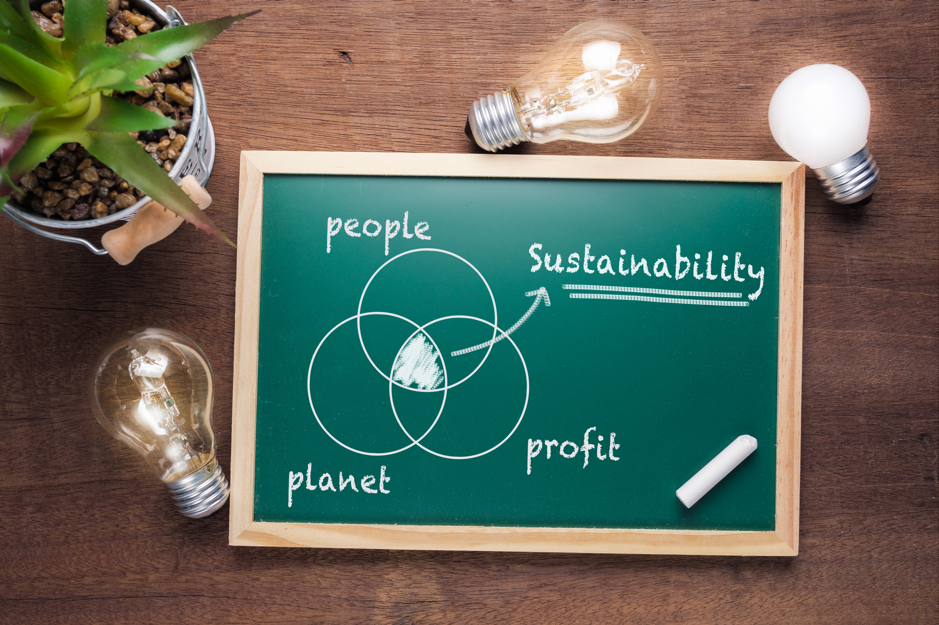
Consumers are becoming more selective today about the companies that they buy products or services from. They are no longer just buying a product or service, but are buying into a company’s purpose. Accenture Strategy’s  While defining a purpose for the corporation, good corporate leaders seek to balance the broader societal interest with financial logic. The actions that they undertake are grounded in societal interests, irrespective of whether they are directly linked to the core functions of the business. So, instead of launching a pompous CSR program or throw in a few environmentally friendly policies, ask yourself some hard questions. What problem does my organization seeks to solve? How do we make people’s lives better? How can I get my customers and other stakeholders to be part of the purpose?
How is the sustainability of my Company related or contributing to the sustainability of the mankind itself?
Once you have a purpose that is shared by your customers and employees, you can take the relationship from merely transactional to a life-long one. It’s time for CEOs to take a lead on change rather than wait for government intervention – after all purpose means good business.
While defining a purpose for the corporation, good corporate leaders seek to balance the broader societal interest with financial logic. The actions that they undertake are grounded in societal interests, irrespective of whether they are directly linked to the core functions of the business. So, instead of launching a pompous CSR program or throw in a few environmentally friendly policies, ask yourself some hard questions. What problem does my organization seeks to solve? How do we make people’s lives better? How can I get my customers and other stakeholders to be part of the purpose?
How is the sustainability of my Company related or contributing to the sustainability of the mankind itself?
Once you have a purpose that is shared by your customers and employees, you can take the relationship from merely transactional to a life-long one. It’s time for CEOs to take a lead on change rather than wait for government intervention – after all purpose means good business.
 Hope this article provides an understand why a purpose-driven business is a necessity in today’s world. At