 Indian laws related to CSR are also quite vague which also means that they are open for interpretation. For example, a number of companies transfer CSR funds to government programmes such as Prime Minister’s Relief Fund. This ends up becoming a one-time cheque signing exercise rather than proactive engagement with the community. Another issue has been non-compliance by firms primarily due to poor understanding of social needs of the society and lack of implementation capacity or expertise. In 2018, the government sanctioned prosecution proceedings against 284 companies for not fulfilling CSR expenditure norms.
A key shortcoming noticed is that while CSR funds are being made available to the projects, not much attention is being paid to earmark funds exclusively for the orgnaisation building of the implementing agencies. Taking care of this crucial aspect will go along way in creating huge impact.
In summary, the last few years of mandating CSR has seen active participation, particularly from large corporates. But there are several issues such as lack of clarity on rules, working models and information about collaboration opportunities which if addressed can lead to better participation. If you are a firm that is looking to comply with CSR Spending and need an implementation partner, just give us a shout out.
Indian laws related to CSR are also quite vague which also means that they are open for interpretation. For example, a number of companies transfer CSR funds to government programmes such as Prime Minister’s Relief Fund. This ends up becoming a one-time cheque signing exercise rather than proactive engagement with the community. Another issue has been non-compliance by firms primarily due to poor understanding of social needs of the society and lack of implementation capacity or expertise. In 2018, the government sanctioned prosecution proceedings against 284 companies for not fulfilling CSR expenditure norms.
A key shortcoming noticed is that while CSR funds are being made available to the projects, not much attention is being paid to earmark funds exclusively for the orgnaisation building of the implementing agencies. Taking care of this crucial aspect will go along way in creating huge impact.
In summary, the last few years of mandating CSR has seen active participation, particularly from large corporates. But there are several issues such as lack of clarity on rules, working models and information about collaboration opportunities which if addressed can lead to better participation. If you are a firm that is looking to comply with CSR Spending and need an implementation partner, just give us a shout out. Mandatory 2% CSR Spend – The Current Scenario

Corporate Social Responsibility or CSR is a way to ensure that companies conduct their business in an ethical way. It shows a company’s commitment towards the community and environment while being accountable to its employee, stakeholders and public. According to a KPMG survey, among the largest 250 companies in the world, 92% produced a CSR report in 2015. India has taken it one step further than any country. With the enactment of the Companies Act in 2013, India became the first country to make CSR mandatory. It mandates a CSR spend on 2% of average net profits for all companies meeting specified financial thresholds.
Companies are finding that being socially responsible and treating their stakeholders well makes good business sense and leads to strong financial performance. Consumers and employees are more likely to stick with companies that adopt sustainable practices. So, why has this movement that depended solely on voluntary activity is being mandated through legal rules? The government intervention is primarily because of problems such as companies taking advantage of CSR benefits without actually spending, greenwashing to appear environmentally friendly, and false disclosures.
So, how has India fared with its push for mandatory CSR spend? Let’s have a look.
State of CSR Spending in India
Spending on CSR by India’s largest firms stood at Rs. 7,563.30 crore (around $1 billion) in the financial year that ended in March 2018, according to a survey by KPMG India. This was 47% higher than what it was in 2014 when the company act was enacted and companies now are spending more than the prescribed 2%.
In 2018, the average amount spent on CSR stood at Rs. 81 crores, up 9% from 2016. This indicates that although it is legally mandated, large companies are proactively spending on CSR. Companies in the energy and power sector were the top CSR spenders followed by Banking and Financial Services Industry and IT Consulting. Two sectors that have received over 50% of all CSR spend in the last financial year were education and healthcare followed by rural areas and environment-related causes.
Positive trends in mandatory CSR spends:
It can be observed that the mandatory CSR push has led to many positive outcomes. Firstly, before the legislation many small and a few large companies made little or no investments in social development which has changed now. Additionally, the focus on being socially responsible has pushed companies to relook at their overall vision and policies and how their activities impact the society as a whole.
The increase in adherence by large companies can be attributed to their improved ability to surmount the challenge of large-scale interventions and use of implementing agencies such as NGOs. As per CRISIL CSR Yearbook, an analysis of 4,887 companies listed on the Bombay Stock Exchange, 84% of companies with over 10,000 crores in sales and 67% with 500-10,000 crores in sales used implementing agencies. This has resulted in increased efficiency of implementing agencies, mainly the NPOs and helping in creating high impact social organistions.
Interventions by Corporates through the mandatory CSR spends has also helped in mitigating conflicts amongst the business stakeholders. The human side of dealing with various societal issues and challenges are now being addressed by the business, This can have a huge win-win results on all sides.
Shortcomings of mandatory CSR Spending Legislation
According to CRISIL CSR Yearbook, only one-third of the companies met the criteria stipulated in the Companies Act. As per CSR requirements, the amount required to be spent by 1,019 listed companies was Rs. 9,669 crores in 2017. While companies had decided to spend Rs. 9,936 crores, the final CSR expenditure by these companies was Rs. 9,034 crores. The reasons cited for the underspend by companies included inability to identify the right projects, right organizations to partner with or right in-house team for implementation.
The high CSR spending on education and healthcare means that other socially important areas such as child mortality and eradicating hunger and poverty are ignored. There is also the issue about geography-based equity. While industrialized states with large corporate presence such as Maharashtra, Gujarat, Karnataka, Andhra Pradesh and Tamilnadu top the list of highest CSR expenditure, the most backward districts of India receive little in terms of CSR spend.
Indian laws related to CSR are also quite vague which also means that they are open for interpretation. For example, a number of companies transfer CSR funds to government programmes such as Prime Minister’s Relief Fund. This ends up becoming a one-time cheque signing exercise rather than proactive engagement with the community. Another issue has been non-compliance by firms primarily due to poor understanding of social needs of the society and lack of implementation capacity or expertise. In 2018, the government sanctioned prosecution proceedings against 284 companies for not fulfilling CSR expenditure norms.
A key shortcoming noticed is that while CSR funds are being made available to the projects, not much attention is being paid to earmark funds exclusively for the orgnaisation building of the implementing agencies. Taking care of this crucial aspect will go along way in creating huge impact.
In summary, the last few years of mandating CSR has seen active participation, particularly from large corporates. But there are several issues such as lack of clarity on rules, working models and information about collaboration opportunities which if addressed can lead to better participation. If you are a firm that is looking to comply with CSR Spending and need an implementation partner, just give us a shout out.
Indian laws related to CSR are also quite vague which also means that they are open for interpretation. For example, a number of companies transfer CSR funds to government programmes such as Prime Minister’s Relief Fund. This ends up becoming a one-time cheque signing exercise rather than proactive engagement with the community. Another issue has been non-compliance by firms primarily due to poor understanding of social needs of the society and lack of implementation capacity or expertise. In 2018, the government sanctioned prosecution proceedings against 284 companies for not fulfilling CSR expenditure norms.
A key shortcoming noticed is that while CSR funds are being made available to the projects, not much attention is being paid to earmark funds exclusively for the orgnaisation building of the implementing agencies. Taking care of this crucial aspect will go along way in creating huge impact.
In summary, the last few years of mandating CSR has seen active participation, particularly from large corporates. But there are several issues such as lack of clarity on rules, working models and information about collaboration opportunities which if addressed can lead to better participation. If you are a firm that is looking to comply with CSR Spending and need an implementation partner, just give us a shout out. 

 How To Create Impact With CSR Funding?
It’s important to tap into local resources and make the community of the target area a part of the development projects. It’s equally important to make them aware of any changes that would alter their future for the better.
For instance, companies can offer HYV (high-yielding variety) seeds to the farmers of a village for a better yield. However, it would be impactful only if the farmers were taught about the care and conditions required to grow these crops.
A great way to measure the impact of CSR funding is by setting up a ‘Monitoring Committee’. This committee would ensure that everything is perfect, right from the planning of the initiative to its maintenance. Periodic visits to the project site and routine reviews would eliminate any flaws or issues.
How To Create Impact With CSR Funding?
It’s important to tap into local resources and make the community of the target area a part of the development projects. It’s equally important to make them aware of any changes that would alter their future for the better.
For instance, companies can offer HYV (high-yielding variety) seeds to the farmers of a village for a better yield. However, it would be impactful only if the farmers were taught about the care and conditions required to grow these crops.
A great way to measure the impact of CSR funding is by setting up a ‘Monitoring Committee’. This committee would ensure that everything is perfect, right from the planning of the initiative to its maintenance. Periodic visits to the project site and routine reviews would eliminate any flaws or issues.
 A CSR Assessment or CSR Impact Report, thus, is crucial to any CSR project and should include the ideas and feedback of all the stakeholders. This report should be reviewed on a regular basis and any changes should be documented so that the project implementation team is well aware of it.
Independent Assessments:
Third party assessment is another thing that the corporates can consider. This would help in proper evaluation of the company’s initiatives and the impact they have on society as a whole. An unbiased and independent organisation would always be a better judge of their CSR initiatives than an internal team. A third-party observer would not only look after the expenditure, but also deliver proper feedback ensuring the money is not spent in vain, and that company brings substantial changes to society.
Social Return on Investments (SROI)
Going a step ahead would be to undertake the social return on the amounts invested towards the various initiatives, projects & intervention. One needs to evaluate the SROI ratio for Intervention program to understand that for every rupee invested what is the social value created. Companies like Hindustan Unilever, Jindal Stainless Steel and Ambuja Cements, amongst others have published SROI Reports.
Image References:
https://upload.wikimedia.org/wikipedia/commons/4/46/Primary_Laos.jpg
https://upload.wikimedia.org/wikipedia/commons/thumb/6/63/Elementary_School.jpg/1280px-Elementary_School.jpg
A CSR Assessment or CSR Impact Report, thus, is crucial to any CSR project and should include the ideas and feedback of all the stakeholders. This report should be reviewed on a regular basis and any changes should be documented so that the project implementation team is well aware of it.
Independent Assessments:
Third party assessment is another thing that the corporates can consider. This would help in proper evaluation of the company’s initiatives and the impact they have on society as a whole. An unbiased and independent organisation would always be a better judge of their CSR initiatives than an internal team. A third-party observer would not only look after the expenditure, but also deliver proper feedback ensuring the money is not spent in vain, and that company brings substantial changes to society.
Social Return on Investments (SROI)
Going a step ahead would be to undertake the social return on the amounts invested towards the various initiatives, projects & intervention. One needs to evaluate the SROI ratio for Intervention program to understand that for every rupee invested what is the social value created. Companies like Hindustan Unilever, Jindal Stainless Steel and Ambuja Cements, amongst others have published SROI Reports.
Image References:
https://upload.wikimedia.org/wikipedia/commons/4/46/Primary_Laos.jpg
https://upload.wikimedia.org/wikipedia/commons/thumb/6/63/Elementary_School.jpg/1280px-Elementary_School.jpg 
 Why A Company Should Produce A CSR Report?

 What is CSR?
CSR or Corporate Social Responsibility is a business concept that adds meaning to an employee’s day-to-day work. The concept spreads across various worldly elements including the environment, health and safety, human rights, contributions to a nation’s developing economy, and even working conditions within the country. Whether it’s for the benefit of the environment or to reduce poverty around you, CSR ensures longevity, sustainability and growth which is a rewarding aspect for your organisation.
The current generation is motivated by personal values linked to their career. While profit and business impact is critical to the company, through CSR, employees can also look to making an impact on the society through their regular work. This incorporates sustainability into the daily work process—a factor that can be effectively achieved through CSR. A convenient way to achieve this is just spending 2% of the profits, as CSR ensures tenability and promotes a healthy advancement in the company’s development.
How To Incorporate CSR?
Despite the mandatory rule to integrate CSR in a company’s work operations, many organisations have failed to do so, posing a risk to their own sustainability without even realising it.
Let’s take a quick look into how companies can be pushed into incorporating CSR in their policies.
What is CSR?
CSR or Corporate Social Responsibility is a business concept that adds meaning to an employee’s day-to-day work. The concept spreads across various worldly elements including the environment, health and safety, human rights, contributions to a nation’s developing economy, and even working conditions within the country. Whether it’s for the benefit of the environment or to reduce poverty around you, CSR ensures longevity, sustainability and growth which is a rewarding aspect for your organisation.
The current generation is motivated by personal values linked to their career. While profit and business impact is critical to the company, through CSR, employees can also look to making an impact on the society through their regular work. This incorporates sustainability into the daily work process—a factor that can be effectively achieved through CSR. A convenient way to achieve this is just spending 2% of the profits, as CSR ensures tenability and promotes a healthy advancement in the company’s development.
How To Incorporate CSR?
Despite the mandatory rule to integrate CSR in a company’s work operations, many organisations have failed to do so, posing a risk to their own sustainability without even realising it.
Let’s take a quick look into how companies can be pushed into incorporating CSR in their policies.
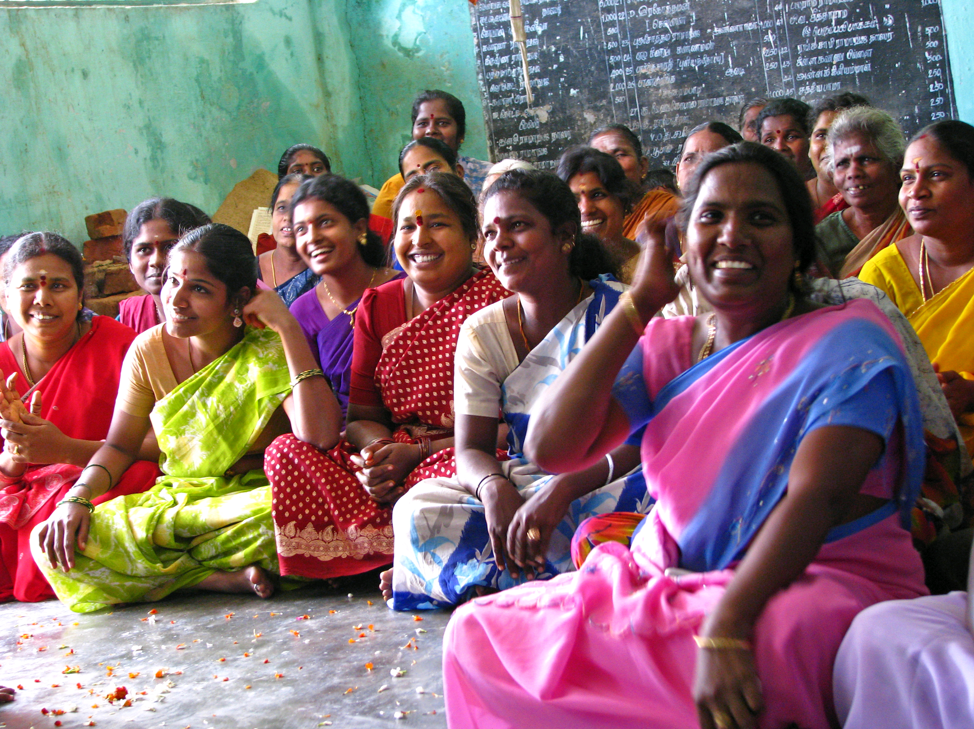 Feminism is a concept that has been a topic of concern for several decades now, and at a global level. Despite a drastic decrease in female infanticide, child marriages, child labour, and an increase in the education of the girl child, the number of women working in firms across the country are quite alarmingly low. 60% of the companies across the country have a proportion of less than 10% of female employees.
CSR can extend its aid in social causes by providing career opportunities to women. Providing support to women who are interested in enterprise formation, specially through financial, marketing, and training components is a simple step that could be taken towards women empowerment.
Feminism is a concept that has been a topic of concern for several decades now, and at a global level. Despite a drastic decrease in female infanticide, child marriages, child labour, and an increase in the education of the girl child, the number of women working in firms across the country are quite alarmingly low. 60% of the companies across the country have a proportion of less than 10% of female employees.
CSR can extend its aid in social causes by providing career opportunities to women. Providing support to women who are interested in enterprise formation, specially through financial, marketing, and training components is a simple step that could be taken towards women empowerment.

 In fact, communication is a crucial component of any CSR strategy, and shouldn’t be dealt with haphazardly. Failure to notify external and internal stakeholders may keep them in the dark and can lead to a mistaken understanding of a company’s CSR purposes and objectives. As stakeholders are one of the reasons why CSR strategies exist in the first place, they should always be updated on CSR activity.
Words, data measurements, and statistics are definitely essential in sharing a company’s focus on CSR, but using more visual and compelling details such as testimonials and case studies to accurately represent a dedication to sustainability, that’s the way to break through.
In order to get noticed, bring in a powerful and compelling story that catches the attention of your audience. Having to articulate an authentic story is vital for engaging the target audience to interpret your vision into reality.
Knowing Your “Why”
Storytelling is imperative to expanding opinions that matter. Most powerful presenters begin with a story about personal impulses that led to the breakthrough idea. A great opening point for crafting your personal “I” narrative is to answer the question, “Why?”
As agents of change, sustainability experts prevail outside the pattern of the mainstream community. Uniquely inspired, it presents itself in the terms and words used to contextualize the project.
Give Information, Inspiration and Application
Data is extremely crucial, but numbers alone cannot influence people. A heartwarming story can, at least, prime the artistic mind to understand the possibilities within the data.
Good communicators use information and inspiration, as well as a third procedure: application. Teach your ideas, and motivate the audience to do the same.
News: Your Story
Once the “I” story is down, turn the content plan into media-sized bites to help communicate a memorable and consistent message that would build your brand trust. A key way to encourage media interest is with compelling statistics and data.
Appealing customers through cold calls to action are in full power, especially on social media.
No Picture-Perfect Company
It is natural for organizations to present only the good side of their company. But stakeholders can be suspicious if all seems too good to be true and understand that as a sign of hiding. CSR ventures should not be portrayed as the organization’s only purpose. CSR activities are combined with the company’s business, and this should be made clear in the CSR stories.
In fact, communication is a crucial component of any CSR strategy, and shouldn’t be dealt with haphazardly. Failure to notify external and internal stakeholders may keep them in the dark and can lead to a mistaken understanding of a company’s CSR purposes and objectives. As stakeholders are one of the reasons why CSR strategies exist in the first place, they should always be updated on CSR activity.
Words, data measurements, and statistics are definitely essential in sharing a company’s focus on CSR, but using more visual and compelling details such as testimonials and case studies to accurately represent a dedication to sustainability, that’s the way to break through.
In order to get noticed, bring in a powerful and compelling story that catches the attention of your audience. Having to articulate an authentic story is vital for engaging the target audience to interpret your vision into reality.
Knowing Your “Why”
Storytelling is imperative to expanding opinions that matter. Most powerful presenters begin with a story about personal impulses that led to the breakthrough idea. A great opening point for crafting your personal “I” narrative is to answer the question, “Why?”
As agents of change, sustainability experts prevail outside the pattern of the mainstream community. Uniquely inspired, it presents itself in the terms and words used to contextualize the project.
Give Information, Inspiration and Application
Data is extremely crucial, but numbers alone cannot influence people. A heartwarming story can, at least, prime the artistic mind to understand the possibilities within the data.
Good communicators use information and inspiration, as well as a third procedure: application. Teach your ideas, and motivate the audience to do the same.
News: Your Story
Once the “I” story is down, turn the content plan into media-sized bites to help communicate a memorable and consistent message that would build your brand trust. A key way to encourage media interest is with compelling statistics and data.
Appealing customers through cold calls to action are in full power, especially on social media.
No Picture-Perfect Company
It is natural for organizations to present only the good side of their company. But stakeholders can be suspicious if all seems too good to be true and understand that as a sign of hiding. CSR ventures should not be portrayed as the organization’s only purpose. CSR activities are combined with the company’s business, and this should be made clear in the CSR stories.
 Be Relatable
To leave a place for communicating with the audience, stay adaptable. Make your story flexible by recording it in classified pieces so that it will be easy to mix and match.
Communication involves the packaging of ideas for diverse audiences and is an essential skill for agents of change. Far more nuanced than it appears, communication involves a broad range of techniques and strategies. Storytelling is one of them — but it’s a significant one.
Breaking systems and changing them takes a lot of work, and it can push anyone out of their comfort zone. The amazing thing about keeping a narrative in arsenal is this: people can shoot down your date or ideas, but one thing they cannot deny is the story.
Image References:
Be Relatable
To leave a place for communicating with the audience, stay adaptable. Make your story flexible by recording it in classified pieces so that it will be easy to mix and match.
Communication involves the packaging of ideas for diverse audiences and is an essential skill for agents of change. Far more nuanced than it appears, communication involves a broad range of techniques and strategies. Storytelling is one of them — but it’s a significant one.
Breaking systems and changing them takes a lot of work, and it can push anyone out of their comfort zone. The amazing thing about keeping a narrative in arsenal is this: people can shoot down your date or ideas, but one thing they cannot deny is the story.
Image References:

 Although there has been a mass emergence of NGOs and charitable institutions over the past few years, India continues to be veiled by socio-economic issues that are detrimental to its progress.
The government sees this as a major challenge and has introduced policies to eradicate it completely. The main objective—social, economic, and environmental development to pave the way for self-sufficiency and sustainability.
One of the biggest steps towards securing a better future for the company came in the form of the Corporate Social Responsibility mandate.
Section 135 of the Companies Act, 2013 defines CSR as “a way of conducting business by which corporate entities visibly contribute to the social good.” In other words, socially responsible companies do not use resources and engage in activities to increase their profits but to blend economic, social, and environmental objectives with their own operations and growth.
Does Your Company Make The CSR Cut?
Until the Companies Act stepped in to make CSR mandatory for corporations, it was merely a voluntary step. Well, the times have changed. According to the Act, every private or public company in India, with a net worth of INR 500 crore, a turnover of INR 1,000 crore, or a net profit of INR 5 crore needs to contribute a minimum of 2% of its average net profit in the past 3 financial years to CSR activities.
However, failure to make the required disclosure in the Board report results in the following penalties under Section 134 of the Companies Act:
Although there has been a mass emergence of NGOs and charitable institutions over the past few years, India continues to be veiled by socio-economic issues that are detrimental to its progress.
The government sees this as a major challenge and has introduced policies to eradicate it completely. The main objective—social, economic, and environmental development to pave the way for self-sufficiency and sustainability.
One of the biggest steps towards securing a better future for the company came in the form of the Corporate Social Responsibility mandate.
Section 135 of the Companies Act, 2013 defines CSR as “a way of conducting business by which corporate entities visibly contribute to the social good.” In other words, socially responsible companies do not use resources and engage in activities to increase their profits but to blend economic, social, and environmental objectives with their own operations and growth.
Does Your Company Make The CSR Cut?
Until the Companies Act stepped in to make CSR mandatory for corporations, it was merely a voluntary step. Well, the times have changed. According to the Act, every private or public company in India, with a net worth of INR 500 crore, a turnover of INR 1,000 crore, or a net profit of INR 5 crore needs to contribute a minimum of 2% of its average net profit in the past 3 financial years to CSR activities.
However, failure to make the required disclosure in the Board report results in the following penalties under Section 134 of the Companies Act:
 As mentioned earlier, companies need to spend at least 2% of their net profit of the past 3 financial year on CSR activities. It’s the duty of the Board of Directors to ensure that the stipulated amount is being spent on CSR initiatives.
However, it’s important to note that if profit computation has been done under the Companies Act (1956), they needn’t be recomputed under the 2013 Act. Given below are the particulars as per Section 198:
In the process of computation, credit shall not be awarded for the following amounts:
As mentioned earlier, companies need to spend at least 2% of their net profit of the past 3 financial year on CSR activities. It’s the duty of the Board of Directors to ensure that the stipulated amount is being spent on CSR initiatives.
However, it’s important to note that if profit computation has been done under the Companies Act (1956), they needn’t be recomputed under the 2013 Act. Given below are the particulars as per Section 198:
In the process of computation, credit shall not be awarded for the following amounts:

 A baseline survey is one of the methods used by corporates to pick an NGO to sponsor as a part of their CSR initiatives.
Let’s look at what this method entails.
Baseline Survey – The Head and Tail of It
Baseline survey, in the simplest form, is the analysis of a current situation to help identify the starting point of any project. The purpose is to build an information base to assess and monitor the progress and effectiveness of a project if it has already been completed. The data collected also helps to decide whether starting a project is worth it in the first place.
With this method, tools and instruments of the highest standard are designed for the collection of data to make cross-site comparisons easy.
A baseline survey helps in choosing NGOs that use a planned approach in their developmental activities, and focus on the general welfare and rights of the unprivileged groups in society, environmental concerns, and animal welfare.
Generally, an external organization is hired to carry out the baseline survey work. Though sometimes, an internal project management team can also carry out the survey. The below listed are few areas to be assessed before selecting the implementing partners.
Objectives and geographic reach
A well-established NGO may rank well on governance and processes but may not have a suitable project that has defined in the CSR policies of the company. Hence the first and most important is to understand the vision and objectives of the NPO and ensure that it is in line to the CSR goals of the company. Secondly the community connects. A national level NGO may rich with name and fame but may not be able to perform well at your desired location compare to a local NGO in the area.
Impact
One of the most important factors that companies should look at is the impact of an NGO’s programs. Comparing the beneficiaries number while choosing implementation partners is not feasible because of varied definitions of impact across the sector, as well as the metrics used to determine impact. However an eye in to the past activities with logic may provide a picture of the same.
Scalability & Sustainability
The ability to scale up and its sustainability plans are a matter of concern before one partner with an NGO. It is important because NGOs should capable to build their capacity or to widen their reach as per the needs or demand of both the society and donor as well. Today the capacity and its reach of the identified NGO might be sufficient enough to take up the CSR activities of your company. But in future as the company grows, the NGO also should be ready to widen their operation. On the other hand the sustainability plans of implementing partner are also important. A block in the flow of fund in any reason should not discontinue the project in halfway.
Transparency
The problem of reporting is compounded by the lack of adequate regulation for NGOs to disclose information to the public, resulting in irregular reporting and ad hoc reporting procedures. This presents a serious problem to companies that require information about the NGO and their work for their own compliance.
A Comprehensive due Diligence
NGOs applying for CSR funds need to submit a few documents, the list of which depends on the social objectives of the concerned corporate. These documents are properly scrutinized and only then the application taken forward. The list of documents includes:
A baseline survey is one of the methods used by corporates to pick an NGO to sponsor as a part of their CSR initiatives.
Let’s look at what this method entails.
Baseline Survey – The Head and Tail of It
Baseline survey, in the simplest form, is the analysis of a current situation to help identify the starting point of any project. The purpose is to build an information base to assess and monitor the progress and effectiveness of a project if it has already been completed. The data collected also helps to decide whether starting a project is worth it in the first place.
With this method, tools and instruments of the highest standard are designed for the collection of data to make cross-site comparisons easy.
A baseline survey helps in choosing NGOs that use a planned approach in their developmental activities, and focus on the general welfare and rights of the unprivileged groups in society, environmental concerns, and animal welfare.
Generally, an external organization is hired to carry out the baseline survey work. Though sometimes, an internal project management team can also carry out the survey. The below listed are few areas to be assessed before selecting the implementing partners.
Objectives and geographic reach
A well-established NGO may rank well on governance and processes but may not have a suitable project that has defined in the CSR policies of the company. Hence the first and most important is to understand the vision and objectives of the NPO and ensure that it is in line to the CSR goals of the company. Secondly the community connects. A national level NGO may rich with name and fame but may not be able to perform well at your desired location compare to a local NGO in the area.
Impact
One of the most important factors that companies should look at is the impact of an NGO’s programs. Comparing the beneficiaries number while choosing implementation partners is not feasible because of varied definitions of impact across the sector, as well as the metrics used to determine impact. However an eye in to the past activities with logic may provide a picture of the same.
Scalability & Sustainability
The ability to scale up and its sustainability plans are a matter of concern before one partner with an NGO. It is important because NGOs should capable to build their capacity or to widen their reach as per the needs or demand of both the society and donor as well. Today the capacity and its reach of the identified NGO might be sufficient enough to take up the CSR activities of your company. But in future as the company grows, the NGO also should be ready to widen their operation. On the other hand the sustainability plans of implementing partner are also important. A block in the flow of fund in any reason should not discontinue the project in halfway.
Transparency
The problem of reporting is compounded by the lack of adequate regulation for NGOs to disclose information to the public, resulting in irregular reporting and ad hoc reporting procedures. This presents a serious problem to companies that require information about the NGO and their work for their own compliance.
A Comprehensive due Diligence
NGOs applying for CSR funds need to submit a few documents, the list of which depends on the social objectives of the concerned corporate. These documents are properly scrutinized and only then the application taken forward. The list of documents includes:
 A baseline survey also helps in evaluating the future performance of NGOs by setting realistic indicators for achieving their future goals and targets.
An NGO might approach a corporate with a specific program in mind for which it requires funding. The corporate can then opt for a baseline survey to analyze and evaluate their program and take a final call on the sponsorship. Corporates can conduct these surveys even when not approached by an NGO and can reach out to one if they see favorable results.
Apart from helping a company pick an NGO to fund, a baseline survey can help in the following ways:
A baseline survey also helps in evaluating the future performance of NGOs by setting realistic indicators for achieving their future goals and targets.
An NGO might approach a corporate with a specific program in mind for which it requires funding. The corporate can then opt for a baseline survey to analyze and evaluate their program and take a final call on the sponsorship. Corporates can conduct these surveys even when not approached by an NGO and can reach out to one if they see favorable results.
Apart from helping a company pick an NGO to fund, a baseline survey can help in the following ways:

 Image source: www.wikimedia.org
Why capacity building is crucial in NPOs
Much like other businesses, non-profit organisations also need to focus on building the capacity of their entire system. To do this, it’s vital that the management and staff raise the importance of capacity building and bring it on par with programme development. But to do this, an extensive action plan to target the right sectors and build the correct skills over time needs to be implemented.
Image source: www.wikimedia.org
Why capacity building is crucial in NPOs
Much like other businesses, non-profit organisations also need to focus on building the capacity of their entire system. To do this, it’s vital that the management and staff raise the importance of capacity building and bring it on par with programme development. But to do this, an extensive action plan to target the right sectors and build the correct skills over time needs to be implemented.
 Image Source: www.shutterstock.com
Strategize The Right Way
Capacity building is one of the most challenging functions of development and can be difficult to plan. Ask these five questions, before organising such a program.
● Whose capacity are you trying to improve?
● What capacities are you building and why?
● When should you build these capacities?
● Who should handle the capacity building program?
● How will you know if you have succeeded?
Finding the answer to these questions can make a big difference in your attempt to build your team’s capacity.
Here are five areas you can focus on to strengthen the NPO
1. Mission and Vision
The first step to strengthening and improving your organisation is to create fundamentals for your company. To that end, ask yourself and your people these questions,
• What is the main function of your organisation?
• Why are you there and what can you bring to the table that’s different from everybody else?
Finding the answer to these questions will give you a clear definition of your organization and will help your staff, board, and stakeholders identify with it. Once you have a clear goal, you will have a better strategy to work with. Strategies help to provide focus for decision making and stand as a yardstick to judge whether a new project suits your strategy.
2. Structuring
Addressing issues dealing with the organisational structure for your NPO can go a long way in strengthening it. You can effectively manage this by assigning clear responsibilities and roles, creating new teams, and spinning off existing ones. However, structuring won’t be of any help, unless the organisational design helps support your infrastructure, systems, human resources, and also your skills, strategies, and aspirations.
3. Culture
Culture is an important part of capacity building and it is a necessity in NPOs, more so than in regular businesses. It’s vital that you contribute enough resources and efforts to accommodate the demands of your organisation’s culture. This culture will hold your organisation together and if your workplace environment is inviting, there’s a good chance you will attract more employees. Make changes to the culture in ways that will build positivity in the workplace, among your staff and volunteers.
4. Accounting, Financial Control, and Auditing
It goes without saying that finance is the lifeblood of any NPO and hence it is vital that this branch is added in the workplace, along with capacity building exercises. Workshops on finance and accounting will give everyone in the organisation a sound skill set in financial management. This process will help employees lead the organisation well and implement projects effectively.
5. Communication
For holistic capacity building, NPOs should have their staff trained on various methods of external communication with stakeholders. This becomes especially important with respect to fundraising communication. Ideally, communication training should cover approaching, signing & retaining donors, corporates or grant making bodies. The communication team should also be well versed in writing concept notes, proposals and pitch documents.
At Vardaan, we have learnt the following lessons in successful capacity building cases:
1. Capacity building has impact on performance
2. Proactive approach to Capacity Building is needed
3. All round efforts are neeed in Capacity Building
4. Capacity building has rub off effects from one area to another
5. Capacity Building must be driven from top
And finally our top three advice to make Capacity Building a success:
1. Resetting aspiration & strategy is the first step towards a dramatic improvement
2. Without leadership & Management, capacity building is not possible
3. Patience, patience & more patience…
Capacity building can really help an NPO achieve its goals and objectives in the best possible way. So get started today!
Image Source: www.shutterstock.com
Strategize The Right Way
Capacity building is one of the most challenging functions of development and can be difficult to plan. Ask these five questions, before organising such a program.
● Whose capacity are you trying to improve?
● What capacities are you building and why?
● When should you build these capacities?
● Who should handle the capacity building program?
● How will you know if you have succeeded?
Finding the answer to these questions can make a big difference in your attempt to build your team’s capacity.
Here are five areas you can focus on to strengthen the NPO
1. Mission and Vision
The first step to strengthening and improving your organisation is to create fundamentals for your company. To that end, ask yourself and your people these questions,
• What is the main function of your organisation?
• Why are you there and what can you bring to the table that’s different from everybody else?
Finding the answer to these questions will give you a clear definition of your organization and will help your staff, board, and stakeholders identify with it. Once you have a clear goal, you will have a better strategy to work with. Strategies help to provide focus for decision making and stand as a yardstick to judge whether a new project suits your strategy.
2. Structuring
Addressing issues dealing with the organisational structure for your NPO can go a long way in strengthening it. You can effectively manage this by assigning clear responsibilities and roles, creating new teams, and spinning off existing ones. However, structuring won’t be of any help, unless the organisational design helps support your infrastructure, systems, human resources, and also your skills, strategies, and aspirations.
3. Culture
Culture is an important part of capacity building and it is a necessity in NPOs, more so than in regular businesses. It’s vital that you contribute enough resources and efforts to accommodate the demands of your organisation’s culture. This culture will hold your organisation together and if your workplace environment is inviting, there’s a good chance you will attract more employees. Make changes to the culture in ways that will build positivity in the workplace, among your staff and volunteers.
4. Accounting, Financial Control, and Auditing
It goes without saying that finance is the lifeblood of any NPO and hence it is vital that this branch is added in the workplace, along with capacity building exercises. Workshops on finance and accounting will give everyone in the organisation a sound skill set in financial management. This process will help employees lead the organisation well and implement projects effectively.
5. Communication
For holistic capacity building, NPOs should have their staff trained on various methods of external communication with stakeholders. This becomes especially important with respect to fundraising communication. Ideally, communication training should cover approaching, signing & retaining donors, corporates or grant making bodies. The communication team should also be well versed in writing concept notes, proposals and pitch documents.
At Vardaan, we have learnt the following lessons in successful capacity building cases:
1. Capacity building has impact on performance
2. Proactive approach to Capacity Building is needed
3. All round efforts are neeed in Capacity Building
4. Capacity building has rub off effects from one area to another
5. Capacity Building must be driven from top
And finally our top three advice to make Capacity Building a success:
1. Resetting aspiration & strategy is the first step towards a dramatic improvement
2. Without leadership & Management, capacity building is not possible
3. Patience, patience & more patience…
Capacity building can really help an NPO achieve its goals and objectives in the best possible way. So get started today! 

.JPG)
.jpg)
